Learning how to tell if your home needs repiping starts with looking for several plumbing problems at once. Rusty water, weak pressure, repeat leaks, loud pipes, and visible corrosion may point to worn supply lines. A plumber can inspect the system and explain whether you need whole-home replacement or a smaller repair.
Table of Contents
- What Does Repiping a Home Involve?
- What Are the First Warning Signs Your Home Needs Repiping?
- Which Water and Plumbing Problems Suggest Widespread Pipe Failure?
- What Other Signs Indicate It May Be Time to Replace Your Pipes?
- How Do You Know Whether You Need Repiping or a Localised Repair?
- What Should a Plumber Check Before Recommending Repiping?
- What Should You Do If Your Home Shows Signs of Repiping?
- Frequently Asked Questions
- Conclusion and Key Takeaways
What Does Repiping a Home Involve?
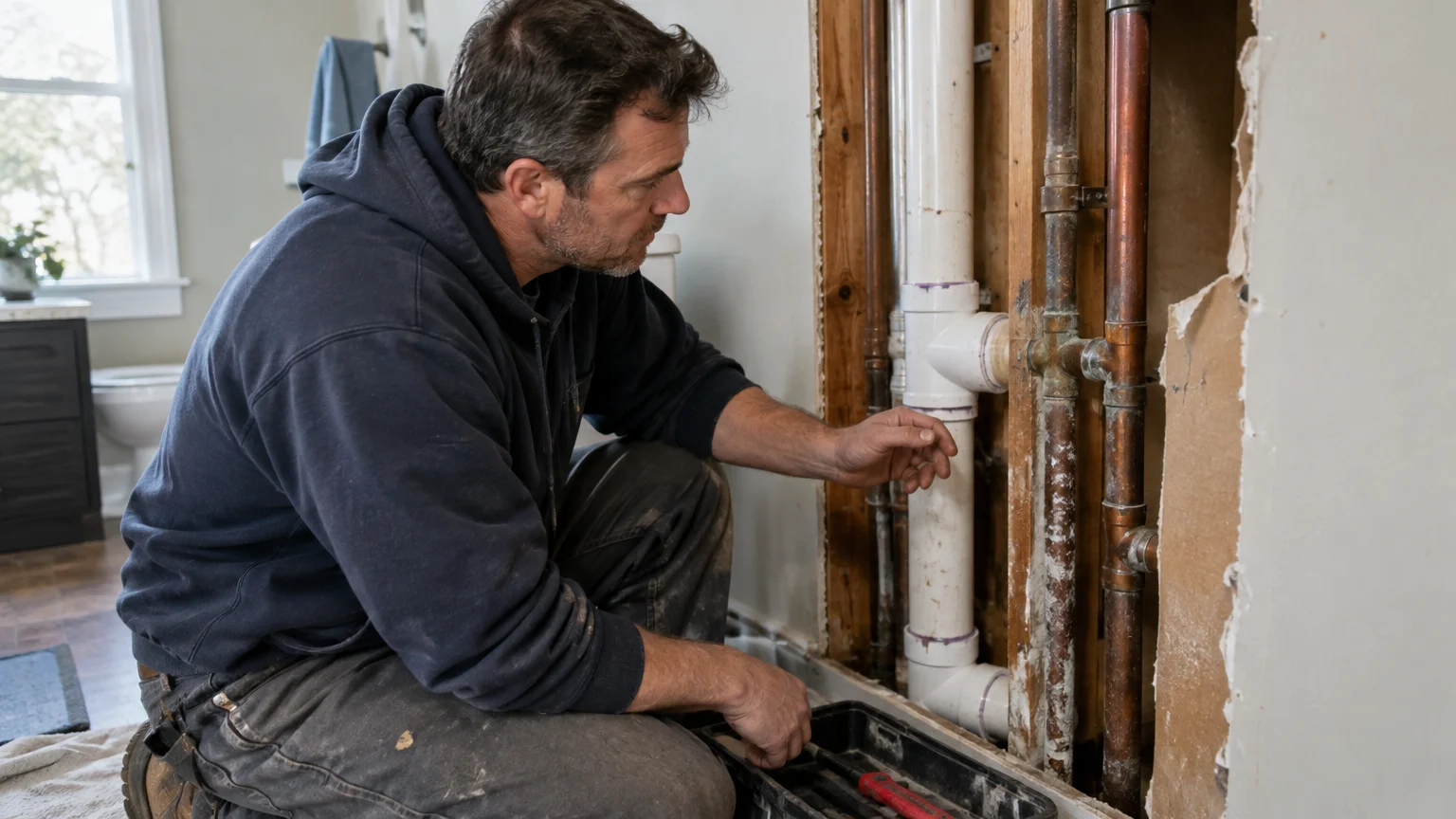
Repiping means replacing many or all water supply pipes in a building. It differs from fixing one leaking pipe under a sink or behind a wall. A whole-home project repairs the network that carries hot and cold water to fixtures across the property.
Repiping may require small access openings, removal of old lines, new pipe installation, and fixture connections. The plan depends on the layout, pipe location, access, and condition of the system. Your plumber should explain which areas need work before the job starts.
How whole-home repiping differs from isolated pipe repairs
An isolated repair treats one damaged area. It can work well when one fitting, valve, or short pipe section has failed. A local repair also makes sense when the rest of the system works well and shows no broad wear.
Repiping becomes more likely when leaks keep returning in different rooms. It may also be needed when many branches have corrosion, weak flow, or damaged joints. Glen Allen Plumbing can help property owners learn whether a problem is local or spread across the system.
Which plumbing materials are commonly used for replacement pipes?
Common replacement materials include copper, PEX, and CPVC. PEX is flexible and may need fewer joints in some homes. Copper is strong and widely used. CPVC is a hard plastic option for some water systems.
Each material has rules and limits. A qualified plumber should match the pipe to local rules, water conditions, heat, and the home design. The installer should also protect lines from freezing, movement, heat, and accidental damage.
What Are the First Warning Signs Your Home Needs Repiping?
The first signs often affect water quality and flow. Rusty water, an odd smell, or weak pressure at several fixtures may point to aging supply pipes. One unusual faucet may have a simple fault, but a whole-house pattern needs closer review.
A common pattern begins with brown water after a line sits unused. Then a faucet upstairs has weak flow. Later, another fixture develops the same issue. That repeated pattern matters more than one isolated symptom.
1. Discoloured, rusty, or foul-smelling water
Brown, orange, or yellow water may come from rust inside old pipes. It can also follow nearby plumbing work or a water-main problem. Water with a metal, earthy, or rotten-egg smell needs attention because the source may not be the faucet.
Run cold water briefly and see whether one fixture or many are affected. Do not drink water that looks or smells unusual until the cause is clear. If the issue returns around the home, a plumber should inspect the supply lines and related equipment.
2. Persistent low water pressure throughout the home
Low pressure at one fixture may come from a blocked aerator, faulty cartridge, or closed valve. Low pressure at many fixtures points to a larger concern. Corrosion, mineral buildup, a bad pressure regulator, or a damaged main line can limit flow.
A homeowner can clean a faucet aerator and check that shutoff valves are open. This simple check cannot find hidden pipe damage. If pressure stays weak in Glen Allen, a professional review can separate a system fault from a fixture fault.
Which Water and Plumbing Problems Suggest Widespread Pipe Failure?
Repeated failures are stronger evidence than one leak. When many pipes, joints, or fixtures cause trouble over time, the system may be badly worn. Water can spread behind walls, under floors, and inside cabinets before the damage is easy to see.
These signs may appear alone, but they matter more when they occur together. Leak detection can help find hidden moisture before it causes mold, damaged finishes, or weak building materials.
3. Frequent leaks or recurring pipe repairs
A pipe that leaks once may need a focused repair. Several leaks in different rooms may show that the same old material is failing across the home. A patch can fix one spot while another weak section remains.
Keep a simple record of leaks, repairs, and affected rooms. This gives the plumber useful details during the inspection. Sudden water loss, a ceiling stain, or a burst pipe needs quick action and may require Emergency Plumbing support.
4. Noisy pipes, banging, or vibrating plumbing lines
Banging can happen when moving water stops fast. This is called water hammer. Rattling or vibrating lines may come from loose supports, high pressure, trapped air, or worn valves. Noise by itself does not prove that repiping is needed.
Still, loud pipes need attention when they occur with leaks, weak pressure, or corrosion. A plumber can check supports, valves, pressure, and connections. Fixing a small fault early may protect more of the system.
What Other Signs Indicate It May Be Time to Replace Your Pipes?
Some clues develop slowly and are easy to miss. Several slow drains, peeling pipe surfaces, and swollen areas may signal trouble in different parts of the plumbing. These signs should not be treated as normal just because water still runs.
Do not cut into walls or handle damaged lines without knowing what they contain. Basic checks are safe, but hidden leaks and weak pipes need trained testing. The signs below show when a wider review may help.
5. Slow drainage in multiple fixtures
One slow sink often has a local clog. Several slow fixtures may point to a branch drain issue, main sewer problem, or poor venting. Repiping usually covers water supply lines, so slow drains alone do not prove that supply pipes need replacement.
This difference matters. A homeowner may clean a sink stopper or use a plunger correctly. Repeated backups, sewage smells, or several slow fixtures call for professional drain diagnosis instead of repeated chemical treatments. Drain cleaning may help when buildup or clogs are the cause.
6. Visible corrosion, flaking, or bulging pipes
Visible rust, green marks, flaking metal, or bulging pipe sections show that the material is changing. Damp insulation, soft cabinet panels, and peeling paint near pipes may also show a slow leak. Keep these areas open for inspection.
Do not scrape, bend, or clamp a badly damaged pipe as a lasting fix. A temporary shutoff may limit water damage, but the weak area remains. Emergency Burst Pipe Repair may be needed if a pipe splits or water starts flowing without control.
Other signs include repeated water discoloration, stains near several pipe routes, and fixtures that lose flow when another fixture runs. These clues do not give a diagnosis alone. Together, they may show that the issue reaches beyond one fitting.
How Do You Know Whether You Need Repiping or a Localised Repair?
A local repair is more likely when one short section fails and the rest of the system works well. Repiping is more likely when the home has repeat leaks, broad corrosion, or poor pressure in several areas. The choice should follow inspection findings, not fear or guesswork.
A plumber should consider the number of failures, pipe material, access, and nearby pipe condition. The plan should also consider future needs, such as a remodel, added bathroom, rental use, or property sale.
7. The age and type of your existing plumbing system
Older plumbing may contain materials that corrode, crack, or collect buildup. Age alone does not prove failure. A newer system can still have poor installation, freeze damage, bad water conditions, or one faulty part.
Pipe type helps guide the review. Metal pipes may show rust or scale. Plastic pipes may split, sag, or fail at joints. A plumber can identify visible materials and use testing to check hidden sections.
8. Multiple plumbing issues appearing at the same time
Several new problems in different rooms are a strong reason to review the system. Weak pressure, rusty water, and leaks under more than one fixture may share one cause. Fixing one faucet will not solve a system-wide failure.
This also applies to commercial buildings and rental homes. Owners should track tenant reports, shutoff events, water stains, and repair visits. Glen Allen Plumbing serves the main Glen Allen area, including Innsbrook, Wyndham, Short Pump, Laurel, Lakeside, Henrico, and nearby communities.
You should also consider whether the issue is on your side of the water meter or part of the public supply. The local water utility may need to handle a main-line concern. A plumber can help identify which section needs more review.
What Should a Plumber Check Before Recommending Repiping?
Before suggesting repiping, a plumber should inspect visible plumbing and test the system. The review should find active leaks, pressure issues, pipe material, access limits, and signs of water damage. It should also explain what a smaller repair can and cannot fix.
A clear inspection helps owners make a sound choice. It should not depend on one symptom or a quick look beneath a sink. The plumber should connect the findings to the home layout and the owner’s long-term plans.
9. Leak detection, pressure testing, and pipe inspections
Leak detection uses tools that help locate water loss without guessing where to open a wall. Pressure testing checks whether the system holds pressure as expected. A visual inspection can find rust, poor supports, damaged joints, and old repair points.
The plumber may inspect crawl spaces, basements, utility rooms, cabinets, and open wall areas. Some homes need more testing when leaks are under slabs or behind finished surfaces. Ask what each test found and what remains unknown.
10. Water quality, property layout, and future plumbing needs
Water quality can affect pipe wear and fixture buildup. The home layout affects pipe length, access, shutoff points, and the number of branches. Future plans may change the best repair choice, especially before an addition or bathroom project.
The inspection should also check for water damage. Wet drywall, swollen floors, mold-like smells, and damp insulation may need separate care. Water Damage From Plumbing Leak concerns need quick action because hidden moisture can spread.
Some homeowners ask whether gas leaks and water-pipe leaks use the same test. They do not. A gas leak is a serious safety concern. Leave the area, avoid flames and switches, and contact the gas utility or emergency services under local guidance. Gas Line Plumbing professionals handle gas concerns, not normal water-pipe checks.
What Should You Do If Your Home Shows Signs of Repiping?
First, limit water damage and gather useful details. You can close a nearby fixture valve or the main water shutoff if it is safe and you know where it is. Protect belongings, avoid wet electrical areas, and arrange a professional inspection.
How to reduce water damage while waiting for an inspection
When a leak is active, shut off the nearest fixture valve or main water supply if safe. Move furniture, boxes, and belongings away from wet areas. Avoid switches, outlets, and appliances in standing water. Photos of stains, broken pipes, and affected rooms can help show what happened.
If you suspect a gas leak, avoid flames and electrical tools. Leave the area and follow local emergency guidance. A homeowner may clean a faucet aerator, gently tighten a loose supply connection, or use a plunger for a simple clog.
Do not open walls, use harsh drain chemicals again and again, or attempt major pipe work without the right skills. Drain repair needs a different plan from supply-pipe replacement. A trained plumber can tell these problems apart.
How to compare repiping options and plan the work
Ask which pipes need replacement and why. Compare the repair plan, pipe material, access points, affected fixtures, water shutoff plan, surface protection, and cleanup steps. The final quote should explain the planned work and its limits clearly.
Ask how the home will keep water available during the work. Also ask which rooms may be affected and which permits or inspections may apply. A licensed plumber who knows Virginia rules can explain the process without making unsupported promises.
Glen Allen Plumbing can help property owners review leak detection, pipe repair, and repiping concerns. The final cost depends on the parts, size of the system, access, damage, and urgency, and it is confirmed on a quote. Contact us to arrange a plumbing assessment and discuss the next safe step.
Frequently Asked Questions
Can low water pressure mean a house needs repiping?
Yes, but low pressure has many possible causes. A blocked aerator, closed valve, pressure regulator issue, water-main problem, or damaged pipe can reduce flow. Repiping becomes more likely when pressure is weak across the home and appears with rusty water, leaks, or corrosion.
How can a homeowner find a plumbing leak?
Check visible supply lines, cabinets, ceilings, floors, and utility spaces for damp spots or stains. Watch the water meter when all fixtures are off, if your setup allows it. Continued movement may suggest a hidden leak, which needs professional leak detection.
Can a homeowner use a plumbing snake from a home improvement store?
A basic hand auger can help with some simple sink or tub clogs. It cannot repair damaged supply pipes or prove that a home needs repiping. Do not force a snake into an unknown line. Seek help when several fixtures drain slowly or backups return.
What should someone do if a toilet keeps running?
A running toilet often has a worn flapper, fill valve, or float setting. You can remove the tank lid and check whether the flapper seals and the chain moves freely. If it still runs after a simple adjustment, a plumber can test the valve and supply connection.
How do homeowners test for gas leaks?
Homeowners should not find a gas leak with a flame or electrical device. Leave the area if you smell gas, avoid switches, and contact the gas utility or emergency services under local safety guidance. A qualified gas-line professional should inspect and repair the system.
Conclusion and Key Takeaways
Repiping is not needed for every leak or slow drain. It becomes more likely when several warning signs affect different parts of the home. Rusty water, lasting low pressure, repeat leaks, noisy lines, broad corrosion, and water damage all need careful review.
A professional inspection can separate a simple repair from a failing plumbing network. Quick action can limit damage, protect fixtures, and give owners a clearer plan. For homeowners and property owners in Glen Allen, the right answer starts with testing instead of guesswork.
Key takeaways
- Several plumbing problems together may point to widespread pipe failure.
- One slow drain or leak does not automatically mean the home needs repiping.
- Rusty water, weak pressure, and visible corrosion need review when they return.
- Simple checks are safe, but hidden leaks and major pipe work need a qualified plumber.
- Clear inspection findings and a written quote help owners plan the next step.
If you are not sure what you are dealing with, it is worth having someone look at it before it turns into a bigger job. Get in touch with Glen Allen Plumbing today and we will tell you where you stand.