Emergency plumbing cost depends on the problem, how easy it is to reach, the parts needed, and the amount of repair work. A small leak in plain view is often simpler than a burst pipe hidden behind a wall. The plumber should explain the work and confirm the final cost on a quote before repairs begin.
A sudden leak or broken toilet can make a home or business feel unsafe. Knowing what may affect plumbing costs helps people ask clear questions and protect their property. Glen Allen Plumbing can explain the next steps for an urgent plumbing problem.
Table of Contents
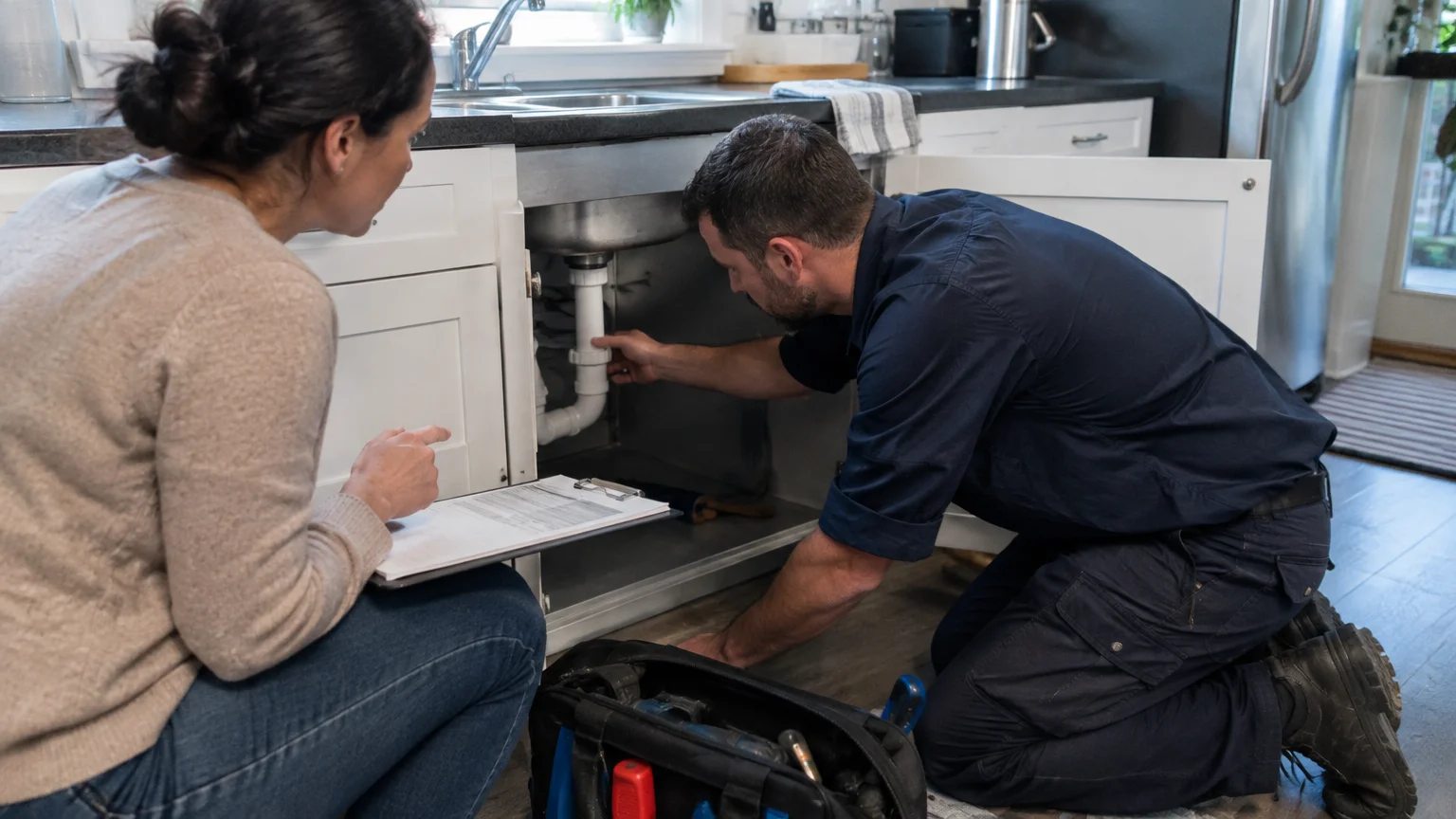
- What affects emergency plumbing cost?
- How do after-hours, weekend, and 24-hour plumbing costs compare?
- Which plumbing emergencies are more complex to repair?
- What should an emergency plumbing quote include?
- How can you compare emergency plumber quotes?
- How can you limit damage while waiting for emergency plumbing help?
- How can you choose a trustworthy emergency plumber?
- Frequently Asked Questions
- Key takeaways
- Conclusion
What affects emergency plumbing cost?
Emergency plumbing cost depends on the fault, access, parts, and work needed to fix it. The plumber may need to inspect the problem before giving a clear quote. A simple repair with open access usually needs less work than a hidden leak or damaged pipe inside a wall.
How do the problem, access, and repair scope affect the quote?
Repair scope means all the work needed to fix a problem safely. A dripping faucet may need one small part. A leak under a floor may need testing, access work, and repairs to the area afterward. The quote should say which tasks are covered and whether another trade or visit may be needed.
Access can affect the work as well. A pipe in an open utility room is easier to reach than one under a slab or behind cabinets. The plumber may need to find the source before choosing a repair. Ask whether diagnosis, repair, cleanup, and needed testing are included.
Why can residential and commercial emergency jobs differ?
A home plumbing system is often smaller than one in a shop, office, or apartment building. Commercial sites may have several restrooms, long pipe runs, shared shutoff valves, or equipment serving many people. The plumber may need to check how a repair could affect the rest of the building.
For a business, a closed restroom or water supply can affect staff and customers. Property managers may also need to arrange entry with tenants or building staff. These details can add steps, but a business repair is not always more complex. The system and the fault matter most.
How do after-hours, weekend, and 24-hour plumbing costs compare?
Calls outside normal work hours can involve different timing and work plans. A quote may differ from one for a planned visit, but terms vary by provider and job. Ask what the full quoted work covers instead of guessing how late-night or weekend calls are handled.
What can change when a plumber is called outside regular business hours?
A night or weekend call may need a plumber to respond when fewer staff or suppliers are available. The repair may also need a temporary fix if the needed part is not on hand. Ask whether the suggested work will fully fix the problem or make it safer until another visit.
Urgency matters because an active leak can harm walls, floors, stored goods, or nearby equipment. A blocked fixture may be less urgent if other safe facilities are open. The plumber can explain what should be done now and what can wait. The quote should make that clear.
Why does response timing matter for businesses and property managers?
Businesses and property managers often need to limit disruption and keep people away from unsafe areas. A leak near electrical equipment, a flooded walkway, or a broken restroom may need quick attention. Staff should follow the building safety plan and tell the plumber about entry rules and shutoff locations.
A fast response does not always mean the full repair will happen at once. The plumber may first stop the water, then check the damage and plan lasting repairs. Ask what will happen during the first visit, what work remains, and whether people can safely use the area.
Which plumbing emergencies are more complex to repair?
Repairs may take more work when the fault is hidden, affects several fixtures, or has harmed more than a pipe or appliance. A visible drip can be easier to find than moisture behind a wall. An inspection helps show whether the fault is small or part of a wider system problem.
How do leaks, blocked drains, and burst pipes differ in scope?
A small leak may come from a loose fitting or worn seal. A hidden leak can take longer to find, especially when water has spread through a wall or floor. A burst pipe may need the water shut off, a damaged section replaced, and nearby materials checked for harm.
A blocked drain may come from buildup, an object, or a problem farther down the line. The right repair depends on where the blockage is and what caused it. A camera drain inspection uses a small camera to view the inside of a pipe. It may help find the fault without guesswork, though access and pipe layout affect what the camera can show.
When can water heaters or commercial plumbing systems require additional work?
Water at the bottom of a water heater may come from a loose connection, a faulty valve, or a damaged tank. The source is not always where the water appears. If the leak is active, stay clear of hot water and electrical parts. Follow the unit’s safe shutoff directions only if you know how.
Commercial systems may include pumps, backflow devices, or many connected fixtures. A problem in one part can affect other areas. If you smell gas, leave the building and call emergency services or the gas utility from outside. Do not use switches or try to find the leak yourself.
What should an emergency plumbing quote include?
A useful quote describes the problem, planned work, parts, and anything not included. It should say whether the amount is an early estimate or a confirmed quote for the known repair. The final cost should be confirmed on a quote before the customer approves work.
Which labor, parts, and diagnostic details should be clear?
The quote should explain the main repair steps in plain words. It can name the parts to replace, the area where work will happen, and any test after the repair. If the plumber cannot yet see the full fault, the quote should say what is known and what still needs checking.
Ask whether cleanup, access work, or later testing is included. You can also ask what might change if the inspection finds more damage. A clear answer can prevent confusion later. No one should feel pushed to approve work they do not understand.
How can you distinguish an estimate from a confirmed quote?
An estimate is an early view based on what is known at the time. A confirmed quote should describe the agreed work and total, based on what the plumber has found. If opening a wall or testing a line may uncover more, the plumber should explain how added work will be discussed and approved.
Before work starts, read the written terms and ask about anything unclear. For a business or rental property, the person approving work should make sure they have permission. Keep a copy of the quote and any changes for your records.
How can you compare emergency plumber quotes?
Compare quotes by checking that each one covers the same problem and repair work. One may leave out testing, parts, or follow-up work, while another includes them. Ask each plumber to describe the work in similar terms so you can understand the differences.
What questions help compare the same repair scope?
Ask whether the plumber has found the cause or is still checking it. Ask which parts and tests are included, whether the work is meant to last, and what may need another visit. For urgent work, ask what can be done now to limit harm.
It also helps to ask who will do the work and whether permits or inspections may apply. Rules depend on the area and type of job, so ask what applies to your repair. For a rental or business space, be clear about who can approve the work and who will get updates.
Which signs may indicate an unclear or incomplete quote?
A quote may be hard to compare if it names a broad task but does not explain the repair. It may leave out parts, testing, or what happens if the first diagnosis changes. Ask for plain answers before agreeing, especially if the plumber has not found the source yet.
Be careful if someone pressures you to approve work without explaining the problem or plan. A reliable professional should welcome fair questions and explain what is not yet known. If the issue is not dangerous right away, another written quote may help. In an active emergency, focus first on safety and limiting damage.
How can you limit damage while waiting for emergency plumbing help?
You can often take simple, safe steps while waiting, but do not try repairs beyond your skill. If water is spreading, turn off the nearest safe valve or the main water valve if you know how. Keep people and pets away from wet or damaged areas.
What immediate steps are safe for common plumbing emergencies?
These simple steps may help limit harm while a plumber is on the way:
- Turn off a nearby water valve if it is safe and familiar.
- Move dry belongings away from water without entering an unsafe area.
- Put a bucket under a small drip if there is no electrical risk.
- Stop using a fixture that is overflowing or backing up.
- Tell the plumber where the problem began and when you noticed it.
You do not always need a professional for simple upkeep. If safe and within reach, you can clean a faucet screen, clear a sink stopper, or remove visible debris from a drain cover. Do not use harsh drain products, force a stuck part, or open a water heater during an emergency.
When should occupants avoid using fixtures or entering an area?
Stop using a fixture if it leaks, overflows, or sends water into another room. Stay away from standing water near outlets, appliances, or electrical panels. Do not enter a room with a strong gas smell or use a flame or switch. Leave first, then contact emergency services or the gas utility from outside.
For a burst pipe, turn off the water only if you know the safe shutoff location. If you do not know how, wait for help instead of forcing a valve. You can take photos from a safe place for your records, but do not delay steps needed for safety.
How can you choose a trustworthy emergency plumber?
A trustworthy plumber explains the problem, answers questions, and gives clear terms before work begins. Check that the professional has the license required for the work in your area. You can also ask about insurance and experience with your type of plumbing system.
What licensing, insurance, and experience should you verify?
License rules differ by state and local area. Check with the right licensing board or local building office to learn what applies. Ask for the plumber’s license details and confirm that the license covers the planned work.
Ask whether the plumber has insurance for the work and what protection applies to your property. For a business site, look for experience with similar buildings, equipment, and access needs. A good professional should explain the repair in words you can follow. They should not use pressure or confusing terms.
How can businesses and property owners plan for future plumbing emergencies?
Property owners can keep a simple record of shutoff locations, system details, past repairs, and upkeep needs. Businesses can name who may approve urgent work and how tenants or staff should report leaks. Clear roles can help prevent delays when a problem happens outside normal hours.
Routine checks may catch slow drains, damp spots, running toilets, or changes in water pressure before they become urgent. Low pressure can have several causes, such as a partly closed valve or a wider supply problem. A plumber can check repeat issues and suggest a plan that suits the building.
Frequently Asked Questions
What is a plumbing emergency?
A plumbing emergency puts people, property, or an essential water supply at immediate risk. Examples include a burst pipe, fast-spreading leak, sewage backup, or a gas odor near a gas appliance. A slow drip may be less urgent, but it still needs care if it gets worse.
What should someone do when a pipe bursts?
If it is safe, turn off the nearest shutoff valve or the main water valve. Stay away from electrical hazards and move belongings only from a dry, safe area. Then contact an emergency plumber and explain where the pipe burst, how much water is flowing, and whether it has stopped.
What causes low water pressure in a house?
Low water pressure may come from a partly closed valve, a clogged faucet screen, a leak, or a supply problem. You can safely check whether one fixture or the whole home is affected and clean a faucet screen. If pressure stays low or changes quickly, a plumber can check the system.
What should someone do if a water heater leaks from the bottom?
Water at the bottom may come from a fitting or valve above, or from a damaged tank. Stay clear of hot water and electrical parts. If the leak is active, follow safe shutoff steps only if they are clear to you. Ask a plumber to find the source before using the heater again.
How can someone detect a gas leak?
A gas smell can signal a leak, but do not try to find it yourself. Leave the building, avoid switches, flames, and appliances, then call emergency services or the gas utility from outside. Do not return until officials say it is safe. A plumber can handle related plumbing work afterward.
Key takeaways
- The fault, access, parts, and repair work shape an emergency quote.
- After-hours calls may have different terms, so ask what is included.
- A written quote should explain the work and any limits or unknowns.
- Simple upkeep may be safe, but risky repairs need a professional.
- Leave the building if you smell gas or face another immediate danger.
Conclusion
An urgent plumbing problem can feel hard to manage, but clear details help. The cause, access, and damage all affect the work needed. Protect people and property, ask what the quote includes, and check the plumber’s license and insurance before approving repairs.
Glen Allen Plumbing serves Glen Allen and nearby areas, including Innsbrook, Wyndham, Short Pump, Laurel, Lakeside, and Henrico. Contact us to discuss an urgent plumbing problem and the next steps.
Plumbing problems in Glen Allen can affect homes and businesses alike. If you are unsure what is wrong, an inspection can help identify the issue before it grows. Clear plumbing advice also helps you understand which work is urgent and what can wait.