To learn how to unblock a drain safely, first stop using the affected fixture and check whether other drains are slow. A plunger may clear a small clog close to a sink, tub, or toilet. Avoid harsh cleaners and deep tools. Call a plumber for sewage, leaks, flooding, or clogs that affect several drains.
Table of Contents
- How can you tell what is causing a blocked drain?
- What should you do first when a drain is blocked?
- How can you unblock a drain with a plunger?
- Can hot water and dish soap clear a blocked drain?
- How do you clean a sink drain trap safely?
- Are chemical drain cleaners safe to use?
- How can you clear a drain without making the blockage worse?
- When should you call a 24-hour plumber for a blocked drain?
- What will a plumber do to diagnose and clear the blockage?
- How can you help prevent future drain blockages?
- Frequently Asked Questions
- Key takeaways
- Conclusion
How can you tell what is causing a blocked drain?
A blocked drain may cause slow water flow, gurgling sounds, or water backing up. The number of affected fixtures can help show where the clog may be. Notice what happens, but do not run more water just to test the drain. Checking carefully can help you decide whether a small home fix is safe.
Recognize signs of a local or deeper blockage
A slow sink by itself may have a clog near its stopper or drain trap. A drain trap is the curved pipe below a sink that holds water and helps keep sewer smells out. Hair, soap, and food scraps can gather in or near this pipe. If the clog is close to the opening, a simple cleaning or careful plunging may help.
A deeper blockage may affect more than one fixture. For example, a toilet that bubbles when a nearby tub drains could point to a shared drain problem. Gurgling, bad smells, or water rising in another fixture are warning signs. Stop using the affected drains and ask a plumber for help rather than trying stronger tools.
Check which fixtures are affected
Look at nearby sinks, tubs, toilets, and floor drains. Do not flush a toilet or run a faucet if water is already rising. If several fixtures are slow, the problem may be beyond a basic sink clog. Stop water use until you know that it will not make the backup worse.
Homes in Glen Allen can have different pipe layouts, even when they are close together. Glen Allen Plumbing can help residents judge whether a drain issue seems limited or needs quick attention. Do not take apart plumbing that is hard to reach or do not understand. A hidden pipe problem is best checked by a trained plumber.
What should you do first when a drain is blocked?
Stop using the affected fixture and keep more water from entering the drain. This can help limit an overflow and reduce the chance of water damage. If water is rising, keep people and pets away from it. Protect nearby belongings only when it is safe to do so.
Stop using the affected fixture and limit overflow
Turn off the faucet or appliance that drains into the blocked pipe. If a toilet is close to overflowing, do not flush it again. When it is safe, lift the tank lid and press the flapper down to stop more water entering the bowl. The flapper is the rubber seal at the bottom of the tank.
Do not turn valves or take pipes apart unless you know what they do. For an active leak, you may shut the nearby fixture valve if it is easy to reach and works as expected. If water is spreading or you cannot find its source, get urgent plumbing help. Do not risk a fall or touch electrical items to reach a valve.
Protect people and belongings from wastewater
Keep children and pets away from backed-up water. Wastewater can carry germs, so do not touch it with bare hands. Move rugs, boxes, and other belongings only if you can do so safely. If the water is dirty or spreading, leave the area clear for the plumber.
If water reaches outlets, appliances, or a light fixture, do not step into it. Keep away from the wet area and contact the right emergency service if there is an immediate electrical danger. A plumber can work on the drain once people are safe and the area can be reached. Do not try to clean up water near live electrical items.
How can you unblock a drain with a plunger?
A plunger may clear some small clogs near a sink, tub, or toilet opening. Choose one that fits the fixture, cover the drain, and use gentle, steady pressure. Stop if water rises in another fixture or the blockage does not begin to clear. A plunger is not a safe choice after using chemical cleaner.
Choose the right plunger for the fixture
A flat cup plunger usually fits a flat sink or tub drain. A toilet plunger has an extended flange that fits into the toilet outlet. The right shape helps make a seal around the opening. The wrong shape may let air escape, making it hard to create pressure.
Remove a visible stopper or strainer only if it lifts out easily. Do not force parts that seem stuck. If a sink has an overflow opening, cover it with a damp cloth. This helps keep the pressure at the drain instead of letting air escape through the overflow.
Use a steady seal and controlled plunging technique
If the fixture is not already full, add enough water to cover the plunger cup. Place the cup over the drain and press gently to make a seal. Move the handle up and down with controlled strokes. Then lift the plunger and see whether the water drains as it should.
Try only a few times if the water level is safe and no other drain is affected. Do not plunge after adding chemical cleaner. A splash could hurt your skin or eyes. If the clog remains, stop and consider professional Drain Cleaning instead of forcing the blockage farther into the pipe.
Can hot water and dish soap clear a blocked drain?
Warm water and a little dish soap may help loosen light grease in a kitchen sink. This gentle method cannot clear every clog or fix a blockage deep in a pipe. Do not use boiling water, especially when you do not know the pipe material. Stop if water begins to collect in the sink.
When this gentle method may help
If the sink drains slowly and there is no standing wastewater, add a little dish soap. Slowly pour in warm water from a safe container. The soap may loosen greasy residue near the drain opening. This method is for light buildup, not a pipe that is fully blocked.
Give the water time to move through the pipe. Do not add more water if the sink starts to fill. If the drain stays slow, stop and consider what else may be causing the problem. A solid object, hair, food scraps, or buildup farther down may need a different approach.
Many people search for ways to clean a drain with vinegar and baking soda. The fizz does not prove that a clog is gone. These household items may help with light residue, but they are not a reliable fix for a blocked pipe. Never mix them with chemical drain cleaner or other products.
When hot water could damage pipes or fixtures
Boiling water can harm some plastic pipe parts, seals, or fixtures. It can also splash and cause burns. Use warm water instead, and only when the drain is not full or backing up. Keep the container steady and pour slowly to avoid splashing.
Do not pour water into a drain if a sink, tub, or floor drain is already overflowing. Stop using the fixture and check whether other drains are affected. A clog that keeps coming back needs a proper check. Repeated pours of household mixtures may not reach the cause.
How do you clean a sink drain trap safely?
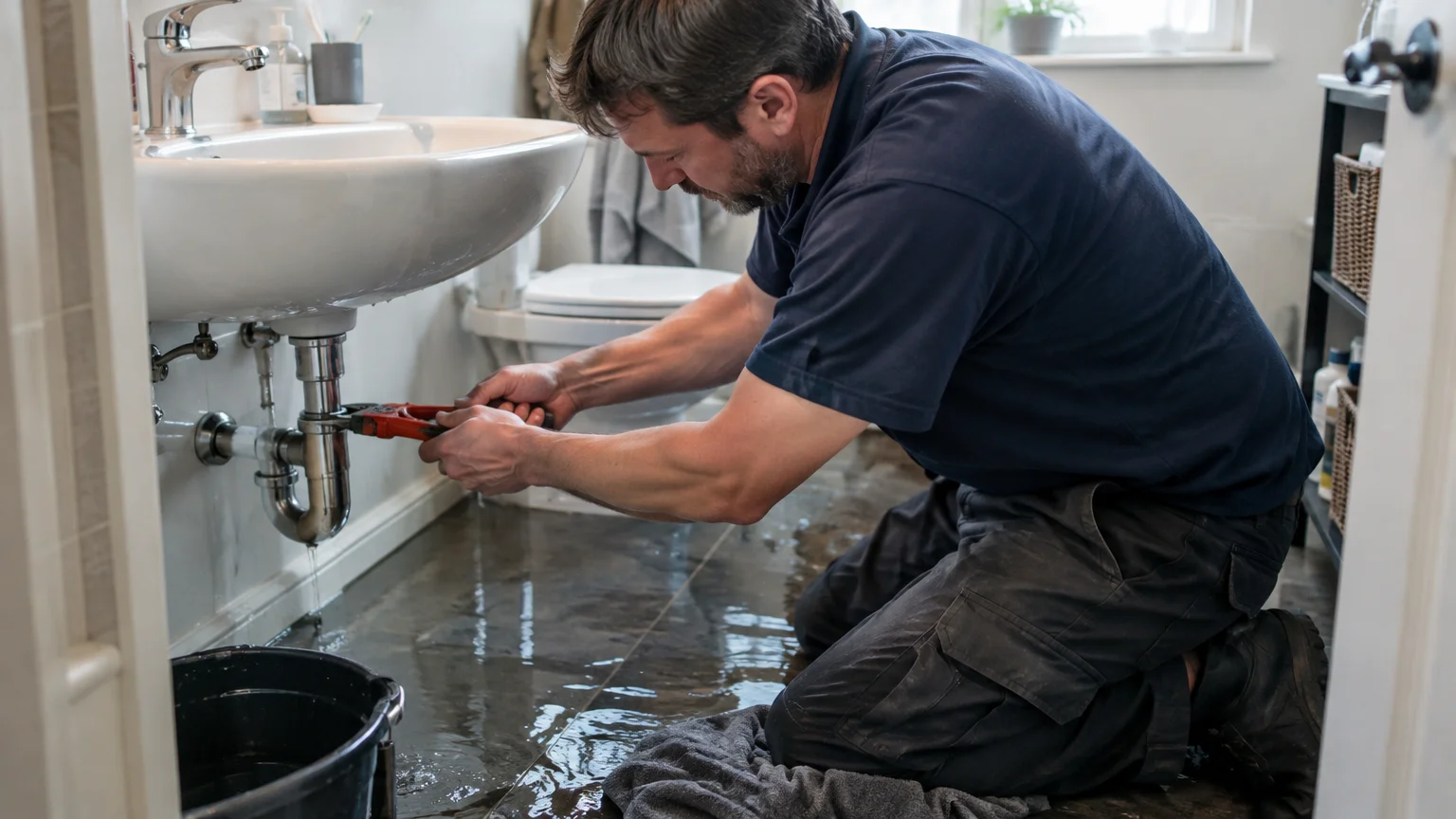
A homeowner may clean an easy-to-reach sink trap if there is no leak, chemical cleaner, or damaged pipe. Put a container below the trap before loosening anything. If the parts are rusty, stuck, or hard to reach, leave them alone. Trying to force them can cause a leak or damage.
Prepare the area and place a container beneath the trap
Clear the cabinet and place a bucket below the curved pipe. Wear gloves and keep a towel close by. Remove only items that lift out easily, such as a loose stopper or strainer. Do not use force on old or brittle fittings.
If the trap has simple hand-tightened nuts, loosen them slowly while holding the pipe steady. Water and debris may spill into the bucket. Look for visible buildup, then rinse it into the container rather than letting debris fall back into the drain. Keep the cabinet floor dry if you can.
Put the parts back in the same order and tighten them gently. Run a little water while watching the joints for drips. If a connection leaks, stop using the sink. Tighten it only if the part moves easily; otherwise, call a plumber to repair it.
Know when not to remove or loosen plumbing parts
Do not open a trap if chemical cleaner has been used. The liquid may still be inside and could splash onto skin or eyes. Tell the plumber what product went into the drain and when. Never try to make a drain cleaner safe by adding another chemical.
Skip this task if the sink has a disposal, the pipes look damaged, or several fixtures are affected. A wrong move can cause leaks or push debris farther into the line. Glen Allen Plumbing provides plumbing support for drain problems that are not safe to handle at home. If you are unsure, leave the pipe parts in place.
Are chemical drain cleaners safe to use?
Chemical drain cleaners can harm skin, eyes, pipes, or a plumber working on the drain. They may also fail to clear the clog. Avoid them when a drain is fully blocked, another cleaner has already been used, or the label does not name your fixture. Safer choices are to stop water use and ask for help.
Risks to people, pipes, and plumbers
Some products give off strong fumes or can cause burns. A blocked drain can hold cleaner in place, which raises the chance of contact during plunging or pipe work. Never mix drain cleaner with bleach, vinegar, or another cleaning product. Keep children and pets away from the area.
These products may also harm some pipes or finishes. If you have already used one, follow the label and keep people away from the drain. Do not plunge or take apart the trap unless the product instructions say it is safe. Tell the plumber about the cleaner before any work begins.
What to do if a chemical cleaner has already been used
Tell anyone who may work on the drain what product went in and when. Do not add more cleaner or another household mixture. If the product touches skin or eyes, follow the label and get medical help when needed. Do not lean over the drain to check what is inside.
If fumes are strong, leave the area and get fresh air. Do not try to cover the drain or mix in another product. A plumber needs to know about the chemical before starting work, so share the product name if you can. Keep the container or label available, but do not go back into an unsafe area to get it.
How can you clear a drain without making the blockage worse?
Use gentle methods only when one fixture is affected and no water is backing up elsewhere. Do not push a tool deep into an unknown pipe or repeat the same attempt many times. Stop if water rises, leaks appear, or the clog stays in place. A careful stop can prevent added damage.
Avoid forcing tools deep into the pipe
A small hand tool may remove hair near a drain opening if you can use it without force. Do not push wire, rods, or a drain snake far into an unknown pipe. A tool can catch on a fitting, harm a pipe, or pack debris tighter. Remove only what is easy to reach.
A plumbing snake is a flexible tool used to reach and loosen clogs. Using one takes care, and the right tool depends on the fixture and pipe. Do not use a snake after chemical cleaner or when you are unsure how the drain is built. A plumber can choose tools that fit the problem.
Drain cleaning enzymes are sometimes sold for routine care. They do not work like an instant fix for a severe blockage. Read product directions and never mix products. If the clog returns, a plumber can look for a cause that household products cannot reach.
Stop repeated attempts if water backs up or drains slowly
A drain that clears briefly but slows again may have a clog farther down. Repeated plunging, pouring, or snaking can make the problem harder to clear. Stop if another fixture begins to gurgle or fill. That change may mean more than one drain is involved.
Do not try to clear an air conditioning drain line through a sink or another household drain. That line is part of a different system and may need separate care. If you are unsure which line is blocked, leave it alone and ask a plumber to identify it. This can help avoid damage to the wrong system.
When should you call a 24-hour plumber for a blocked drain?
Call a 24-hour plumber when sewage backs up, water spreads, or several fixtures stop draining. Get urgent help for a leak, flooding, or a risk to someone in the home or business. Do not wait for a bad clog to get worse. Quick action can help limit damage and keep people away from unsafe water.
Urgent signs such as sewage backup or widespread blockages
Sewage coming through a toilet, tub, or floor drain needs prompt attention. Avoid touching the water and keep people away from it. A blockage that affects several fixtures may involve a main drain, which a plunger cannot safely fix. Stop using toilets, sinks, and tubs that may feed the blocked line.
A business may need emergency plumbing when a blocked drain affects restrooms, food work, or safe access. Stop using the affected fixtures and follow workplace safety steps. Emergency Plumbing can help with urgent clogs, leaks, and other plumbing problems. Keep staff and visitors away from backed-up water until the area is safe.
Situations involving leaks, flooding, or vulnerable occupants
Call for help if water is spreading into floors, walls, or cabinets. A leak can cause damage even when the drain seems partly clear. Tell the plumber if older people, small children, or anyone who depends on working water or sanitation lives at the property. Their needs may make a quick response more important.
Residents can contact Glen Allen Plumbing when a blockage is beyond safe home checks. Keep the affected area clear and explain which fixtures are involved. Do not run more water while waiting if it causes a backup. If there is an active risk from electricity or fast-spreading water, move away and seek the right emergency help.
What will a plumber do to diagnose and clear the blockage?
A plumber will ask what happened, check which fixtures are affected, and inspect the drain. They will choose a clearing method that suits the clog and the pipe. After clearing it, they can check the flow and look for signs that the blockage remains. Sharing what you noticed can help them find the cause.
Assess the drain and locate the obstruction
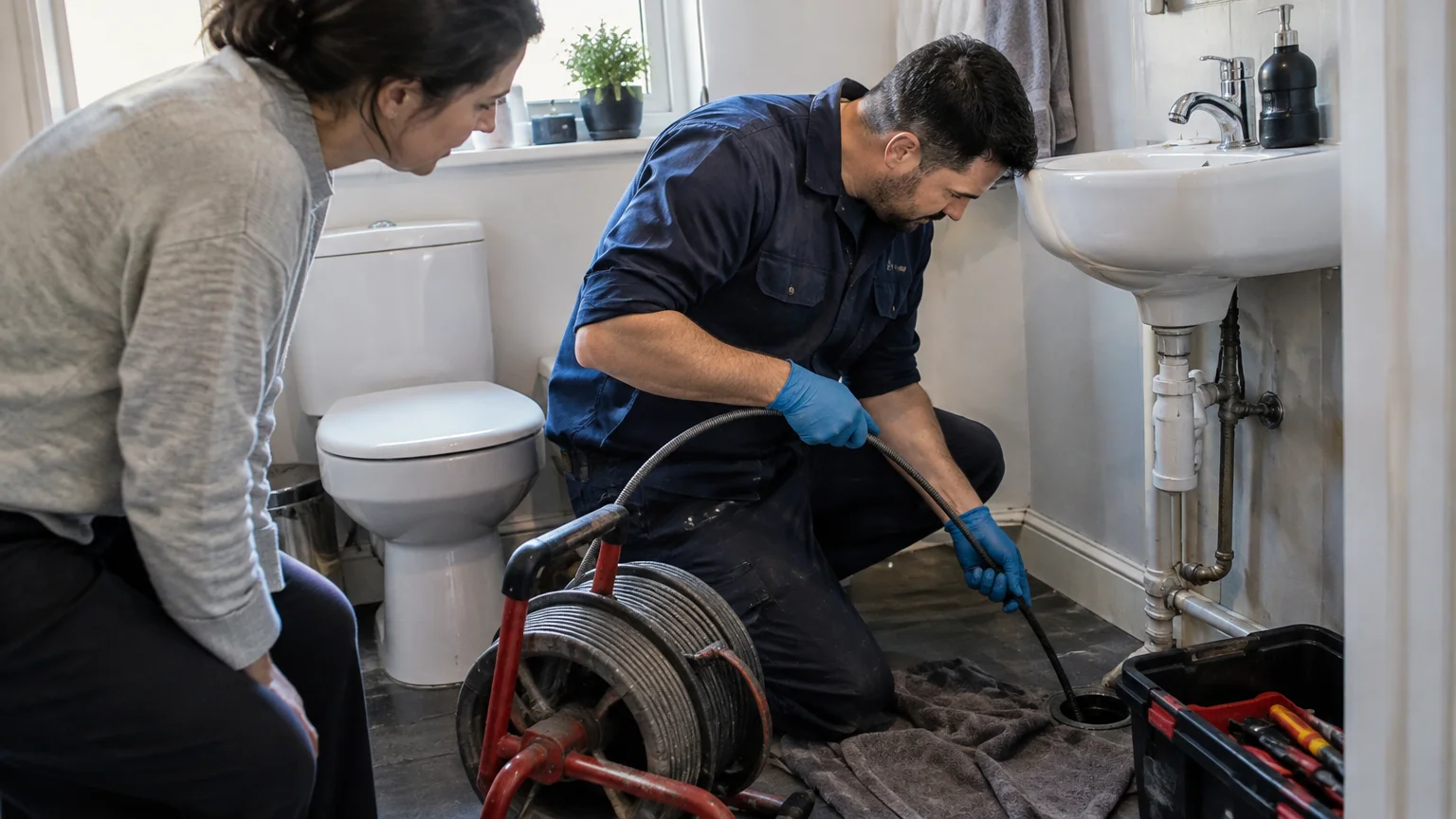
The plumber may ask when the drain slowed, whether other fixtures changed, and whether you used a cleaner or tool. These details can help narrow down the cause. They may inspect pipes they can reach and look for leaks or signs of damage. Tell them if the clog has happened before.
For a simple clog, the plumber may use a hand tool or professional drain equipment. A deeper or returning blockage may need more checks. The best approach depends on the pipe layout, the type of clog, and what the first inspection shows. They can explain what they find before moving on to more work.
Choose a clearing method and check that flow is restored
The plumber will choose a method that fits the drain and blockage. They may remove debris, clear buildup, or suggest another check if the clog keeps coming back. The goal is to restore drainage without harming the pipe. The right drain cleaning method depends on what caused the slow flow.
They can run water and watch whether it drains as expected. If they find signs of a larger issue, they can explain what needs repair. Water Heater Repair and Toilet Repair may be useful when the problem is with those fixtures rather than a drain clog. A clear test can help show whether the drain is working again.
How can you help prevent future drain blockages?
Keep grease, wipes, hair, and food scraps out of drains. Use a strainer where it fits and clear visible debris before it enters the pipe. If a drain keeps slowing down, arrange a check instead of relying on repeated home fixes. These small habits may help reduce common clogs.
Keep common clog sources out of drains
A few simple habits can reduce buildup. Put food scraps and cooking grease in the trash instead of the sink. Wipe greasy pans before washing them. In bathrooms, remove hair from drain covers and put wipes and cotton items in a bin.
- Use sink strainers to catch food and small debris.
- Put wipes, paper towels, and hygiene items in the trash.
- Remove visible hair from tub and shower covers.
- Keep grease, oil, and coffee grounds out of the sink.
- Follow appliance instructions for safe drain care.
Recognize recurring slow drainage as a reason for inspection
A drain that slows again soon after clearing may have a deeper cause. Notice gurgling, bad smells, or more than one affected fixture. These signs can help a plumber understand what is happening. Share when the problem started and whether it has happened before.
Many homeowners can do simple cleaning and upkeep without a plumber. You can remove a loose strainer, clear visible hair, or use a well-fitted plunger on a minor clog. Call a professional for repeated blockages, sewage, leaks, flooding, or plumbing parts that are damaged or hard to reach. If you are unsure, stop before taking pipes apart.
Frequently Asked Questions
Can vinegar and baking soda unblock a drain?
They may loosen some light residue, but they are not a sure fix for a serious clog. Fizz does not show that the pipe is clear. Do not combine them with chemical cleaners. If water stands or backs up, stop adding products and ask a plumber for help.
Should boiling water be poured down a blocked drain?
No. Boiling water can cause burns and may harm some pipe parts, seals, or fixtures. Warm water may help with light grease when the drain is open and flowing. Do not pour water into a full sink or one that is backing up.
When should a homeowner stop using a plunger?
Stop if water rises in another fixture, a leak appears, or a few gentle tries do not help. Never plunge after using chemical drain cleaner. These signs may point to a deeper clog or a risk of splashing harmful liquid. Leave the drain alone and ask for help.
Can a plumbing snake damage a pipe?
Yes, if the tool is wrong for the drain or pushed too hard. A snake can catch on a fitting or harm a pipe. Avoid deep tool use when you do not know the pipe layout, cleaner has been used, or several fixtures are affected.
What does it mean when several drains clog at once?
Several slow or backed-up fixtures may point to a clog in a shared or deeper drain line. Stop using affected fixtures, especially toilets and tubs. Contact a plumber if water backs up, smells like sewage, or will not drain. Do not keep testing the fixtures with more water.
Key takeaways
- Check how many fixtures are affected before trying a fix.
- Stop running water when a drain backs up or overflows.
- A well-fitted plunger may clear a small, nearby clog.
- Avoid chemical mixtures and forceful use of drain tools.
- Call a plumber for sewage, flooding, leaks, or repeated clogs.
Conclusion
Small clogs may clear with careful plunging or simple cleaning. Stop if water rises, more than one fixture is affected, or the clog returns. These signs may point to a deeper problem that needs a plumber. Safe steps can help, but do not risk a leak or sewage backup by forcing a fix.
Blocked drains in Glen Allen need prompt attention when water backs up or more than one fixture is affected. Glen Allen Plumbing serves people dealing with blocked drains. You can learn more about Glen Allen Plumbing.
If you are not sure what you are dealing with, it is worth having someone look at it before it turns into a bigger job. Get in touch with Glen Allen Plumbing today and we will tell you where you stand.