Low water pressure commercial building problems may come from a supply issue, blocked pipe, leak, or worn equipment. Compare several fixtures and note when the problem happens before deciding what to do. A plumber can test the system and find the cause, especially when pressure is weak in many areas.
Table of Contents
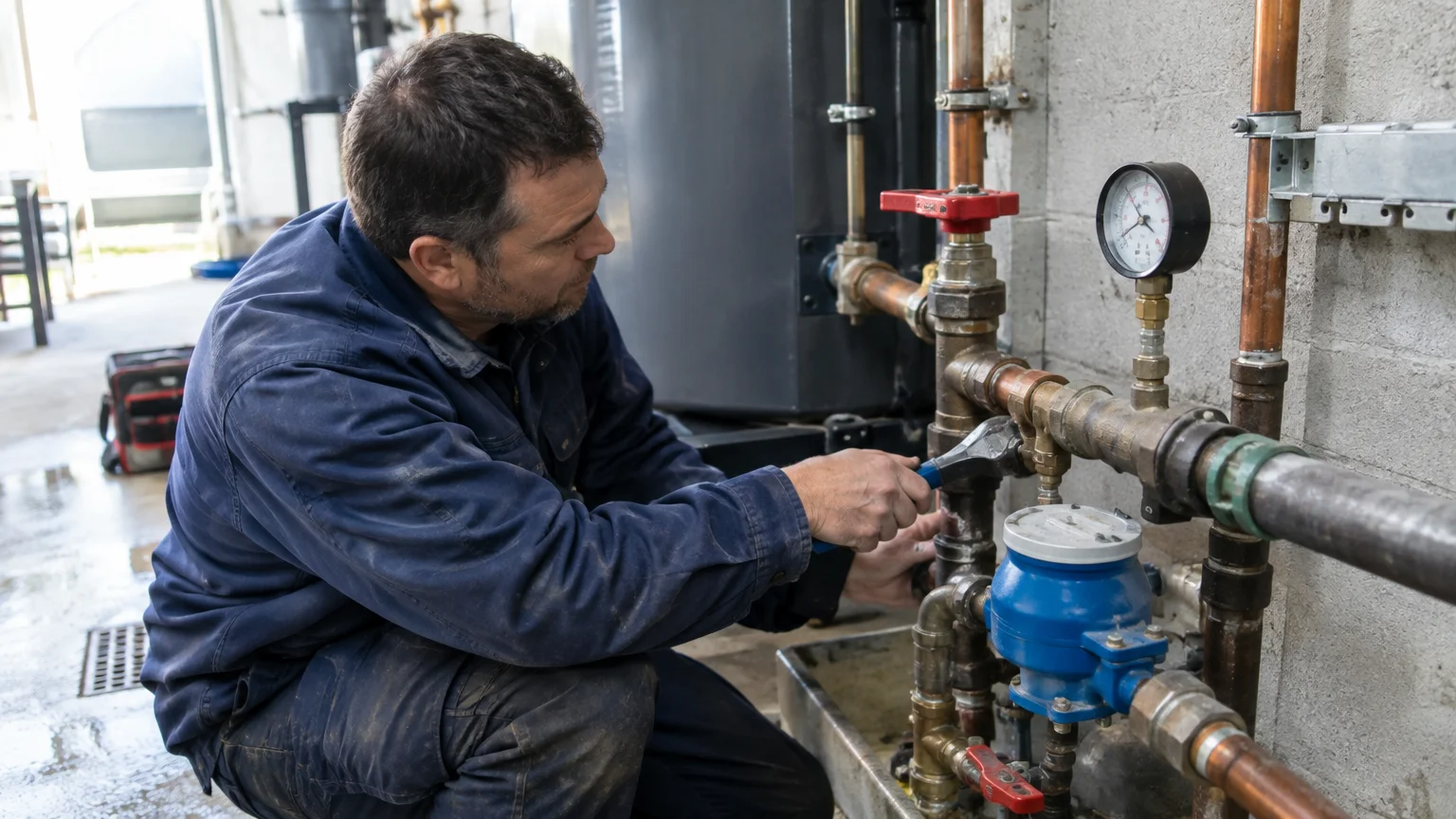
- What counts as low water pressure in a commercial building?
- What causes low water pressure in a commercial building?
- Why does water pressure drop at certain times or locations?
- How can you identify the source of a pressure problem?
- Can clogged pipes or fixtures cause low water pressure?
- Can leaks or failing plumbing equipment reduce pressure?
- How do water heaters affect pressure in commercial restrooms?
- What fixes can restore water pressure in a commercial building?
- When should a commercial property manager call a plumber?
- How can you prevent recurring low water pressure?
- Frequently Asked Questions
- Key takeaways
- Conclusion
What counts as low water pressure in a commercial building?
Low water pressure means water comes from a fixture with less force than usual. It may affect one sink, a few restrooms, or the whole building. A weak stream is a sign, but it does not show the cause on its own. Compare several fixtures to see whether the issue is local or affects a wider area.
Water pressure is the force that moves water through pipes. Water flow is the amount that comes out over time. A clogged faucet may have low flow even when pipe pressure is normal. In contrast, weak flow at many fixtures may point to a shared problem. An aerator is the small screen at a faucet tip that mixes air into the water. It can also catch bits of dirt.
Check whether both hot and cold water seem weak. Compare sinks, toilets, break-room taps, and fixtures in other parts of the building. Note if the problem lasts all day or comes and goes. Staff should not remove covers or adjust valves unless they are trained and allowed to do so. Record which fixtures are affected, when the issue began, and whether plumbing work is taking place nearby.
A low water pressure commercial building concern needs more than one quick check. Do not assume every weak stream has the same cause. Pressure needs can vary with the building plan, fixture type, and number of floors. Glen Allen Plumbing can help property teams review the concern and choose the right next step. These first checks are safe for staff who do not open pipes or change system settings. Commercial properties in Glen Allen may also have different pressure needs by floor and use.
What causes low water pressure in a commercial building?
Low pressure may start outside the building or within its plumbing. A supply problem, a partly closed valve, pipe buildup, a leak, or worn pressure equipment can reduce flow. The pattern across fixtures may point toward a cause, but it cannot confirm one by itself. More than one issue can be present, especially in an older or complex building.
The supply line brings water from the public system into a property. Work on that line, a service outage, or a problem at the building connection can affect many fixtures. Property staff can ask the local water provider about nearby work or reported service issues. If other properties in Glen Allen report the same problem, that may point to an outside supply issue. The building’s own plumbing still needs to be checked.
A pressure-reducing valve controls the pressure entering the building. If it sticks, wears down, or is set wrong, fixtures may get too little water. A main valve that is closed partway can also limit supply. Only a trained person should test or adjust these valves. A wrong change may affect other fixtures and equipment in the building.
Inside the property, mineral scale, rust, or dirt can narrow older pipes. A leak may also send water away before it reaches a fixture. Pumps, backflow devices, and valves may need a check. A backflow device helps stop water from moving the wrong way into the supply. The cause may also be recent plumbing work, a new building change, or a shutoff valve left partly closed. Tell the plumber about recent work so the right parts can be checked.
Why does water pressure drop at certain times or locations?
Pressure may drop when many fixtures run at once or water must travel far through the building. A problem that happens only at busy times may not have the same cause as a weak stream at one fixture all day. Keep a record of the time and place. This can show a pattern, but it cannot prove what has failed. Share the notes with the plumber so the system can be checked under the right conditions.
A commercial building may use water in restrooms, kitchens, cleaning areas, and work spaces at once. When many fixtures run together, some may have weaker flow. This is more likely if the supply line or plumbing system cannot meet demand at that time. Note whether the problem appears during opening hours, shift changes, meal breaks, or cleaning. If the pressure stays weak during quiet times, a leak, blockage, or equipment fault may be more likely.
Water travels through pipes to reach each fixture. Upper floors and fixtures far from the supply entry may show a different pattern from nearby ones. A tall building may use pumps or other equipment to move water to the floors above. Compare the same kind of fixture on different floors. This can help show whether the issue affects one floor or much of the property.
If several upper-floor fixtures are weak while lower ones work well, a pump, supply control, or system layout may be involved. If one restroom has weak flow, a local valve or blocked pipe may be more likely. These are clues, not a final answer. A hidden leak or worn part can create an unusual pattern. A plumber can check the full route and consider demand, floor height, and distance from the supply.
How can you identify the source of a pressure problem?
Start by writing down where pressure is weak, whether hot or cold water is affected, and when it happens. Compare several fixtures without taking plumbing apart. This check can help separate a local fixture problem from a building supply or equipment issue. It also gives the plumber a clearer starting point than a general report of low pressure.
Property staff can use this checklist:
- Write down the rooms, floors, and fixtures with weak flow.
- Note whether hot water, cold water, or both seem affected.
- Record whether the issue changes during busy periods.
- Ask if plumbing work or a supply interruption happened nearby.
- Look for visible leaks, wet areas, or odd sounds near pipes.
Do not use tools on valves or remove parts unless trained. Follow building safety rules, including rules for locked rooms and mechanical areas. Keep the notes together so the plumber receives one clear report. If the issue changes during the day, record the times and what the building was doing. This is more useful than trying to remember the details later.
A plumber may use a gauge to check pressure at a safe test point. Pressure testing means using a gauge to measure the force of water in a pipe. The plumber may inspect shutoff valves, regulators, pumps, filters, and the supply connection. They may compare hot and cold water and check the affected fixtures. Depending on the symptoms and building plan, they may also look for a leak or blockage and review equipment records.
Glen Allen Plumbing can help commercial property teams learn which parts need attention. Access to mechanical rooms and plumbing records can help the visit go smoothly. Only staff allowed to arrange access should do so. Share notes about recent work, repeat complaints, and fixtures that still work well. These details help the plumber compare the affected areas with parts of the system that seem normal.
Can clogged pipes or fixtures cause low water pressure?
Yes. A blockage can reduce flow at one fixture or through part of the pipe system. Mineral deposits, rust, and trapped dirt can narrow the path water uses. The location of weak flow may help show whether the blockage is near a fixture or farther inside the pipes. A plumber may need to inspect the system to find its exact location.
Hard water can leave mineral deposits inside pipes and fixtures. Over time, these deposits may narrow the opening where water passes. Older metal pipes can also rust from within. A plumber can check whether pipe condition is causing a wider pressure problem, especially when several fixtures in one area are weak. A blockage farther inside the system may affect a group of fixtures instead of one tap.
Do not pour strong chemicals into commercial plumbing to clear a suspected blockage. These products can harm pipes or put staff at risk. Do not open walls or use powered tools unless trained and allowed. A plumber can choose a safe method after finding the blockage and checking the pipe material, location, and building needs. Drain cleaning may help with a blocked drain, but it does not fix every water pressure problem.
A dirty aerator or showerhead can cause weak flow at one fixture. Staff may clean a removable screen if building rules allow it and it is safe to remove. This simple task may not need a professional. Stop if the part is stuck, hard to reach, or may break. If cleaning does not help, arrange a check instead of forcing the part.
Commercial toilets may use flush valves that release water to clear the bowl. A worn or blocked valve can affect flushing, but that does not always mean the whole building has low pressure. Note whether other fixtures are affected. This helps the plumber tell a fixture problem from a wider system issue. Do not take apart a commercial flush valve unless trained and permitted.
Can leaks or failing plumbing equipment reduce pressure?
Yes. A leak can divert water from the fixtures that need it. Worn equipment may also limit flow. A hidden leak may show as damp flooring, stains, a musty smell, or running-water sounds when fixtures are off. Report these signs promptly, even if the pressure change seems small or affects only one area.
Look for new wet spots, peeling paint, ceiling stains, or water near pipes and equipment. A sudden pressure change without a clear cause also needs attention. Do not touch water near electrical equipment. Keep people away from unsafe areas and follow the building’s safety plan. Staff should not open walls or equipment covers to find a hidden leak unless qualified and allowed.
If a water heater leaks from the bottom, the source may be a connection, drain valve, or damaged tank. Water at the base does not show which part has failed. Keep people away from hot water and electrical hazards, then arrange a plumbing check. A leak can cause damage even when pressure seems normal elsewhere. Do not ignore visible water just because the rest of the building seems fine.
A pressure-reducing valve, pump, or backflow device can affect water delivery if it fails or becomes blocked. These parts may be in a utility room or behind a locked door. Staff should not adjust or bypass them without training. A wrong change can affect other fixtures and equipment. Keep access controlled and follow the building’s rules when a device seems faulty.
A plumber can check whether a device works as it should and whether it needs repair or replacement. If pressure changed after equipment work, share when the work took place and what was done. This may help link the change to a valve, pump, or other part. Staff can safely record visible signs and warning messages. A trained professional should find and repair the cause.
How do water heaters affect pressure in commercial restrooms?
A water heater usually affects hot-water flow, not the cold-water supply across the building. If only hot water is weak, the cause may be near the heater or in the hot-water pipes. If both hot and cold water are weak, the cause may be elsewhere. Compare both sides at more than one fixture. Staff can do this without opening the heater.
Compare hot and cold water at more than one sink. If cold water works well but hot water is weak at several fixtures, a plumber may check the heater, its valves, and hot-water pipes. A blocked filter or pipe can also limit hot water. If only one tap has weak hot water, the issue may be in that fixture, not the heater or main hot-water line.
If there is no hot water, odd noise, a leak, or an error message, write down what the equipment shows. Do not open its cover. Water Heater Repair can help find whether the unit or its pipes need service. Staff should not bypass safety parts or change settings without approval. Report the signs and leave the unit for trained workers to inspect.
A heater may need service if it leaks, fails to heat water, or gives uneven temperatures. Water heater replacement may make sense if the unit has serious damage or keeps breaking down. The right choice depends on the unit’s condition, building needs, and parts that are available. A plumber can explain whether repair or replacement fits after checking the equipment and how the building uses hot water.
Tankless water heaters use a heat exchanger to warm water as it passes through the unit. Tankless water heater installation needs to fit the building’s water needs, fuel source, vent, and connections. It does not fix low pressure on both hot and cold sides. Choose and install a system for the property’s needs, not as a general answer to every pressure complaint.
What fixes can restore water pressure in a commercial building?
The right repair depends on the cause. Cleaning a fixture may solve a local problem, while a failed regulator, leak, or blocked pipe may need professional work. A plumber should confirm the source before changing settings or replacing equipment. Fixing only the sign without finding the cause may leave the problem in place or create new trouble elsewhere.
A clogged aerator may need cleaning, and a faulty fixture valve may need repair. A valve that is partly closed can sometimes explain a sudden change. Still, staff should not adjust valves unless trained and allowed. A plumber can check which valves are safe to use and whether one is causing the issue. Cleaning a removable screen may be a safe task when building rules allow it.
A leak needs repair at its source, not only cleanup of the water you can see. If a regulator or pump fails, a plumber can decide whether repair or replacement is right. Emergency Plumbing may be needed when a leak is active, water is spreading, or many areas have lost service. Follow the building’s response plan and stay away from unsafe equipment.
A pipe with heavy rust or buildup may need repair or replacement. If pressure keeps changing across the building, the pumps, pipe layout, or water demand may need review. Any change should fit the building and its fixtures. The plumber can consider affected floors, distance from the supply entry, busy times, and the state of existing pipes when explaining options.
Do not add a pump or change a pressure setting as a guess. Too much pressure can harm pipes and connected equipment. A plumber can test the system, explain the choices, and check that the repair works across the affected areas. Keep notes about the work and pressure afterward. This helps the property team see whether the issue returns or a new pattern appears.
When should a commercial property manager call a plumber?
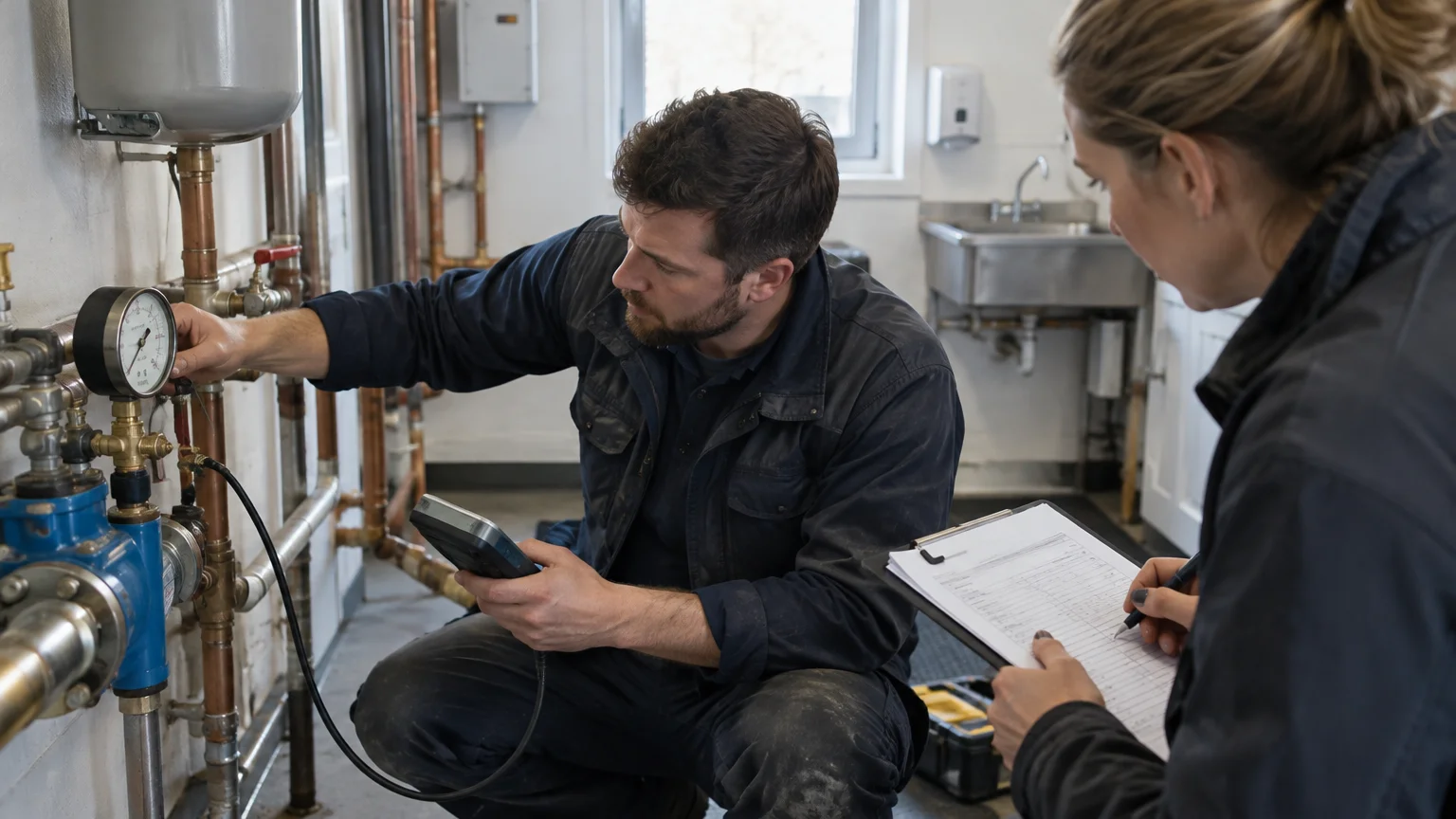
Call a plumber when pressure loss affects several fixtures, returns after simple checks, or comes with a leak or warning light. A sudden loss of water can interrupt restroom use and business work. Quick help may limit water damage and show whether the supply or a building system has failed. Call a plumber when the issue may involve hidden pipes, valves, pumps, regulators, or other equipment staff cannot handle.
Treat active leaks, water near electrical systems, and sudden widespread pressure loss as urgent. Follow the building’s safety plan and keep staff away from hazards. Trained staff may use the correct shutoff if it is safe and this is part of the property’s procedure. No one should approach a shutoff or equipment room if water, heat, electricity, or blocked access makes it unsafe.
A gas smell near a gas-fired water heater is also an emergency. Do not use a flame or switch on electrical items nearby. Leave the area and contact the gas utility or emergency responders from a safe place. Never test for a gas leak with a flame or try to repair gas pipes. Follow local emergency rules and the building’s plan.
A clear report helps the plumber prepare. Share which fixtures are affected, whether hot or cold water is weak, when the issue began, and whether it changes with building use. Mention recent repairs, visible leaks, equipment warnings, and areas staff cannot enter. These details can help separate a fixture complaint from a supply or equipment issue.
Do not delay urgent help to collect every detail. If it is safe, keep people away from the affected area and protect nearby items from water. Records of past repairs may help show a repeat problem. Staff can gather facts and make simple checks, but pressure tests, equipment changes, and repairs belong to trained workers.
How can you prevent recurring low water pressure?
Regular checks can help staff notice small changes before they affect the whole building. Watch for leaks, slow fixtures, odd pump sounds, and repeat pressure complaints. A care plan should cover the plumbing equipment in the building and follow the instructions for each system. Recording changes helps show when a one-time fixture issue becomes a repeated or wider problem.
Assign staff to record repeat complaints and report new leaks. Keep service records for water heaters, pumps, regulators, and backflow devices. Make sure trained staff know where shutoffs are, and keep access to mechanical rooms clear. Follow equipment maker guidance for care. Make sure staff across shifts know how to report a new problem.
Do not use harsh drain products or force stuck valves as routine care. Ask a plumber to check repeat issues instead of treating each weak fixture as a separate problem. Glen Allen Plumbing can help building teams plan plumbing work around areas and equipment that need to stay in use. Staff may clean a removable aerator if allowed, but repeat pressure issues and hidden pipe problems need a professional check.
A pressure complaint is a starting point, not a diagnosis. A clear record of where and when it happens can help a plumber find the cause. Staff may clean a fixture screen when allowed and safe. Leaks, pumps, regulators, and hidden pipes need trained care. Regular upkeep should focus on watching, recording, and reporting issues, not making unapproved changes to valves or system equipment.
Frequently Asked Questions
What causes low water pressure in a commercial building? Common causes include a partly closed valve, a supply issue, a clogged fixture, pipe buildup, a leak, or a failing regulator or pump. If many fixtures are affected, the cause may be shared. If just one fixture is weak, the problem may be local. A plumber can test the system, especially when pressure keeps changing or the pattern is unclear.
Why is water pressure low in one restroom but normal elsewhere? A local blockage, worn fixture valve, or restricted branch pipe may affect one restroom. Compare hot and cold water and check nearby fixtures. This can show whether the problem affects one tap, one room, or a wider area. Report what you find, and do not take apart commercial fixtures unless trained and allowed.
Can a water heater cause low water pressure? A water heater or hot-water pipe may cause weak flow on the hot side. Compare hot and cold water at several fixtures. If both sides are weak, the cause may be outside the heater. A plumber can check the unit and its pipes. Do not open the heater cover or change its settings to test it.
What should staff do if a water heater is leaking from the bottom? Keep people away from hot water, wet floors, and electrical hazards. Do not open the unit or remove parts to stop the leak. Follow the building’s safety plan and arrange plumbing help. The leak’s location does not show whether a valve, connection, or tank has failed, so the source needs to be checked.
How can staff check for a gas leak near a water heater? Never use a flame to test for gas. If staff smell gas, they should leave the area, avoid switches and equipment, and contact the gas utility or emergency responders from a safe place. Do not try to find or fix a gas leak. Follow local emergency instructions and the building’s plan, and stay away until told it is safe.
Key takeaways
- Low pressure may come from the supply, a fixture, a leak, a blocked pipe, or building equipment.
- Comparing fixtures and noting when the issue happens can show whether it is local or widespread.
- Check whether hot water, cold water, or both have weak flow, and watch for leaks or wet areas.
- Staff may clean a removable aerator when allowed and safe, but should not change shared system settings.
- Ask a plumber to handle hidden pipes, pumps, regulators, water heaters, and repeat pressure loss.
Conclusion
Low water pressure can come from the supply, a fixture, a leak, or building equipment. Comparing affected areas and noting when the problem happens can help narrow down the cause. Commercial property teams should leave hidden pipes, pressure controls, pumps, and gas equipment to trained workers. Staff may make simple checks and clean approved fixture parts, but shared system repairs need qualified care.
For help with low water pressure in a commercial building, Contact us to discuss the affected fixtures and arrange plumbing service with Glen Allen Plumbing.
Glen Allen Plumbing can help you understand which part of the system may need attention.
If you are not sure what you are dealing with, it is worth having someone look at it before it turns into a bigger job. Get in touch with Glen Allen Plumbing today and we will tell you where you stand.