The drain camera inspection cost depends on pipe access, line length, urgency, and the problem found. An inspection can be worth doing first because it shows the pipe’s real condition. That view helps limit guesswork, repeat clogs, and repairs that miss the main cause.
A blocked drain may seem like a small home issue. A plunger or simple cleaning may solve some clogs. But slow drains, sewer smells, wet ground, and repeat backups can point to a deeper problem. In those cases, a camera can help a plumber find the cause before repair work begins.
For homeowners and property managers in Glen Allen, a clear diagnosis can help protect floors, walls, yards, and sewer lines. Glen Allen Plumbing helps local property owners understand which drain service may fit the problem. This guide explains what a camera inspection does, what it may find, and what can happen next.
Table of Contents
- What Is a Drain Camera Inspection?
- How Much Does a Drain Camera Inspection Cost?
- Is a Drain Camera Inspection Worth Paying for First?
- When Should You Schedule a Drain Camera Inspection?
- What Can a Drain Camera Inspection Find?
- What Happens During a Drain Camera Inspection?
- How Do You Choose the Right Next Step After an Inspection?
- Frequently Asked Questions
What Is a Drain Camera Inspection?
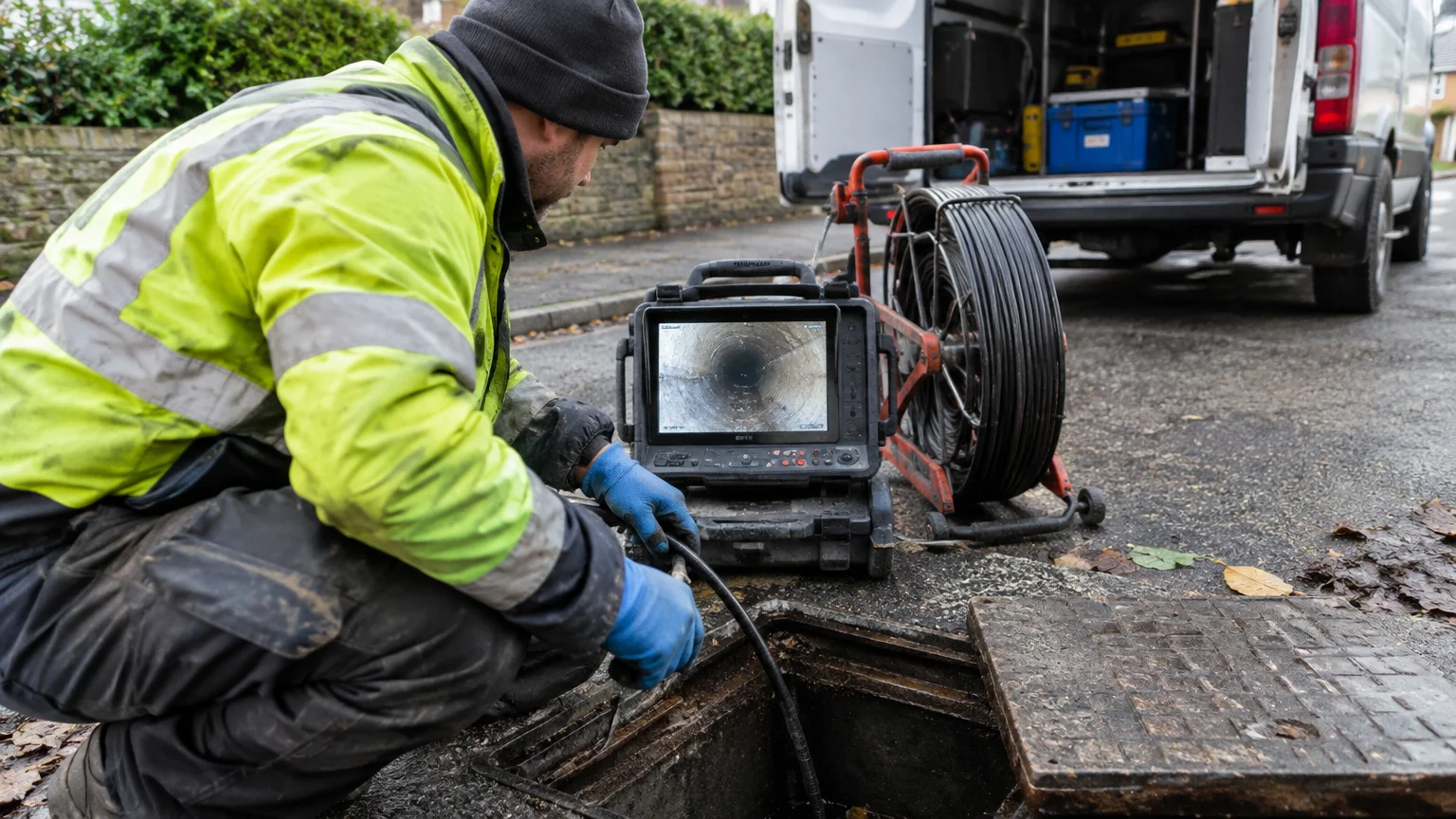
A drain camera inspection uses a small waterproof camera to view the inside of a drain or sewer pipe. The camera is attached to a flexible cable. A plumber guides it through an access point while watching the live picture.
This method can find problems that are hidden from a sink, toilet, or cleanout. A drain opening may look clear while a cracked pipe or thick buildup sits farther down the line. The camera gives the plumber more information before repair work starts.
How plumbers use a camera to examine drain and sewer pipes
The plumber first finds a safe access point. This may be a cleanout, a removed toilet, or another opening in the drainage system. The camera then moves through the pipe while the plumber watches for water, buildup, roots, and damaged joints.
Many inspection cameras have a transmitter. This sends a signal that helps locate the camera below ground. The location can help show where a buried sewer problem sits without opening the whole yard or floor.
What problems a camera inspection can identify
A camera may show a clog, crack, collapsed section, root growth, or separated pipe joint. It may also find grease, scale, wipes, or other material that makes the pipe narrow. The video can help tell a simple clog apart from a damaged line.
A camera inspection cannot replace every test. Deep water, a tight clog, or poor access may limit the view. Even so, the inspection often gives useful facts for a safer repair plan.
How Much Does a Drain Camera Inspection Cost?
The drain camera inspection cost changes from one property to another. The final quote depends on access, pipe size, line length, blockage conditions, urgency, and any report or follow-up work needed. The final cost is confirmed on a quote after the plumber reviews the job.
A camera inspection is a diagnostic service, not a repair. It may involve less work than opening a buried pipe, but it can need more preparation than basic drain cleaning. A clear diagnosis may also help prevent payment for work that does not fix the real problem.
What factors affect the cost of a camera inspection
Access is one of the main factors. A clear outdoor cleanout may make the inspection easier. A buried, damaged, or hard-to-reach opening may need more preparation. The pipe’s size, length, and condition can also change the work needed.
Urgency may matter when a property has an active sewage backup or a serious flood risk. A business may need a larger inspection area or special scheduling. The plumber should explain what the inspection covers and confirm the final quote before work starts.
How the inspection compares with other drain services
Basic drain cleaning focuses on removing material that blocks water flow. A plumbing snake may open a path through a clog, but it may not show a cracked pipe or tree roots. A camera inspection focuses on finding and confirming the cause.
Sometimes both services help. The plumber may need to clear the line before the camera can pass. Drain cleaning, drain repair, and emergency drain cleaning address different problems. The right choice depends on the first checks and the inspection findings.
Is a Drain Camera Inspection Worth Paying for First?
A drain camera inspection may be worth doing first when a clog keeps returning or a repair could require major digging. It gives the plumber information about the pipe’s location and condition. That information can help the property owner compare repair choices.
A camera may not be needed for every slow sink. A homeowner can try a plunger, remove hair from a drain cover, or clean a removable trap when there is no sewage. Professional help is needed when the drain stays blocked, several fixtures are affected, or wastewater enters the home.
When a diagnosis can prevent unnecessary drain repairs
A repeat clog does not always mean the whole pipe needs replacement. The cause may be grease, scale, roots, a low section, or an object in one area. The camera can help show which condition is present before a plumber suggests a larger job.
An inspection can also help after another service has opened the drain. If the same problem returns, opening the path again may only bring short-term relief. A closer look may show why the line keeps failing.
When a camera inspection may be especially valuable
A camera can help before buying a property with older underground drain lines. It may also help after a sewer backup, a large remodel, or soil movement. Property owners planning an addition may want to know the condition of buried lines first.
Glen Allen Plumbing can help property owners ask useful questions before drain work begins. The owner should ask what the camera found, what step comes next, and whether more testing is needed.
When Should You Schedule a Drain Camera Inspection?
Consider a drain camera inspection when drainage problems return, affect several fixtures, or show signs of a buried pipe problem. The inspection is most useful when regular cleaning only helps for a short time.
One slow drain may have a simple cause. A problem across the home can point to a shared branch line or main sewer line. Quick action matters when wastewater backs up because dirty water can harm building materials and create health risks.
Warning signs that may indicate a hidden pipe problem
Common warning signs include:
- Drains that slow again soon after cleaning
- Gurgling sounds from toilets, tubs, or sinks
- Sewer smells near drains or outdoor cleanouts
- Wet or soft ground near a sewer line
- Several fixtures backing up together
- Toilet water that rises when another fixture drains
These signs do not prove that a pipe is broken. They do show that a closer check may help. Stop using affected fixtures when sewage backs up and seek professional advice.
Why recurring blockages deserve a closer inspection
Repeat clogs often mean the first opening did not fix the main cause. A plumbing snake may restore flow, but it can leave roots, cracks, or heavy buildup behind.
A camera can show whether the line is open and stable or still narrow. It can also help find where a branch line joins the main sewer. That detail matters when deciding between more cleaning and a lasting drain repair.
What Can a Drain Camera Inspection Find?
A drain camera inspection can find clogs, pipe breaks, root intrusion, buildup, poor connections, and collapsed sections. It may also show a pipe that has shifted or sagged. These findings help explain why water moves slowly or backs up.
The camera works best when the line is open enough for the lens to pass. A heavy clog may need clearing first. A good plumber will explain what the camera could see and point out any limits on the inspection.
Common causes of blocked or damaged drain lines
Grease and food waste can narrow kitchen lines. Hair, soap, and foreign objects can affect bathroom drains. Wipes sold as flushable can also collect with other waste and cause trouble.
Older pipes may have cracks, rust, separated joints, or weak walls. Tree roots can enter through small openings and grow inside the line. Soil movement, poor installation, and heavy vehicles can also affect buried sewer pipes.
How inspections locate pipe breaks, roots, and buildup

The plumber watches for changes in the pipe wall, standing water, missing sections, and material stuck to the pipe. A camera transmitter may help mark the problem’s location above ground. This can reduce digging that is not needed.
A camera may show the difference between one local clog and a wider pipe failure. It may also show that the line is sound after cleaning. In that case, the owner may only need careful drain use and regular upkeep.
What Happens During a Drain Camera Inspection?
During an inspection, the plumber finds access, checks the line, guides the camera, and reviews the findings. The work often causes less disruption than opening a wall, floor, or yard. The plumber should explain each step before starting.
The property owner should clear the area near the access point. The owner should also share details about past backups, repairs, and drain products used. This history can help the plumber understand the camera view.
How the plumber prepares and accesses the drain
The plumber may inspect a cleanout, remove a drain cover, or use another entry point. The opening must be large enough for the equipment. In some homes, access may require removing a toilet or reaching a line through a service area.
A professional should protect nearby surfaces and follow safe work steps. Homeowners should not open sewer cleanouts during an active backup without guidance. Wastewater may spill under pressure and can contain harmful germs.
What happens after the camera reaches the problem area
The plumber reviews the video and explains the findings. The owner may learn whether the issue is a clog, root growth, broken pipe, or another condition. The plumber may also mark the likely problem location outside.
The next step may include drain cleaning, drain repair, sewer line repair, or more testing. Ask what each option solves and what may happen if work is delayed. A written quote should confirm the final cost before repair work begins.
How Do You Choose the Right Next Step After an Inspection?
The right step depends on pipe condition, blockage type, access, and the owner’s goals. A clean, sound pipe may only need careful use and regular care. A damaged line may need repair or replacement to prevent more backups.
A homeowner does not need a professional for every drain task. Safe upkeep includes using drain screens, removing visible debris, keeping grease out of sinks, and following product directions. Chemical drain cleaners can harm some pipes and create safety risks, so ask a plumber when the cause is not clear.
When drain cleaning may resolve the problem
Drain cleaning may solve the issue when the pipe is sound and the clog comes from grease, hair, soap, food, or soft buildup. A professional may use a drain snake, auger, or water jet when the pipe and blockage allow it.
Cleaning may not solve a cracked, collapsed, or root-filled line. If the same clog returns, ask whether another camera inspection is needed. The goal is to restore flow and prevent the same failure from returning.
When pipe repair, replacement, or further testing may be needed
Drain repair may be needed when the camera shows a focused break or separated joint. Replacement may make more sense when a long section has collapsed or badly weakened. Some jobs may need another test to check flow, pipe shape, or connections.
Compare the pipe condition, risks, access needs, and expected service life of each option. A licensed plumber can explain whether a targeted repair or larger project fits the problem. Glen Allen Plumbing provides plumbing guidance for homes and businesses across Glen Allen, including Innsbrook, Wyndham, Short Pump, Laurel, Lakeside, Henrico, and nearby communities.
Key Takeaways
- A camera inspection shows the inside of a drain or sewer pipe.
- The drain camera inspection cost depends on access, line length, urgency, and condition.
- Repeat clogs may point to roots, breaks, buildup, or a collapsed section.
- Homeowners can handle simple cleaning but should avoid risky sewer work.
- The repair choice should follow the inspection findings and a confirmed quote.
Frequently Asked Questions
Is a drain camera inspection needed for every clog?
No. A first-time sink clog may respond to safe home cleaning or a plunger. A camera becomes more useful when the clog returns, affects several fixtures, follows a backup, or may involve a buried sewer line. A plumber can decide whether the inspection will add useful information.
Can a plumbing snake find a broken pipe?
A drain snake can open a path through some clogs, but it does not give the same view as a camera. It may clear the symptom while leaving a crack, root problem, or collapsed section in place. A camera inspection can show whether the pipe itself is damaged.
Do baking soda and vinegar clean a blocked drain?
Baking soda and vinegar may help with light residue, but they cannot repair a broken pipe or remove serious roots. They may also fail against a deep clog. Do not mix drain products. Professional advice is safer when water backs up or several drains slow down.
What are drain cleaning enzymes used for?
Drain cleaning enzymes are products made to break down some organic material over time. They do not fix pipe breaks, roots, collapsed lines, or hard objects. Follow product directions closely. Repeat clogs still need a proper diagnosis rather than ongoing chemical treatment.
How long does a drain camera inspection take?
The time depends on access, pipe length, clog severity, and whether the line needs cleaning first. A short, open line may be simple to view. A difficult property may need more preparation. The plumber should explain the expected process before the inspection begins.
Conclusion
A drain camera inspection can turn an unclear clog into a clearer repair plan. It is most helpful when clogs return, several fixtures are affected, or a buried sewer line may be damaged. The inspection does not replace every drain service, but it can help match the solution to the real problem.
Property owners in Glen Allen can start with safe checks for minor issues and seek professional help when warning signs continue. Contact us to discuss a drain camera inspection or the next step for a blocked drain with Glen Allen Plumbing.