The choice to repair or replace a leaky faucet depends on the faucet’s age, condition, leak source, and repair history. A worn washer or cartridge may need a simple fix. Cracks, deep rust, poor fit, or repeat leaks may call for replacement. Glen Allen Plumbing helps property owners choose a safe, useful option.
Table of Contents
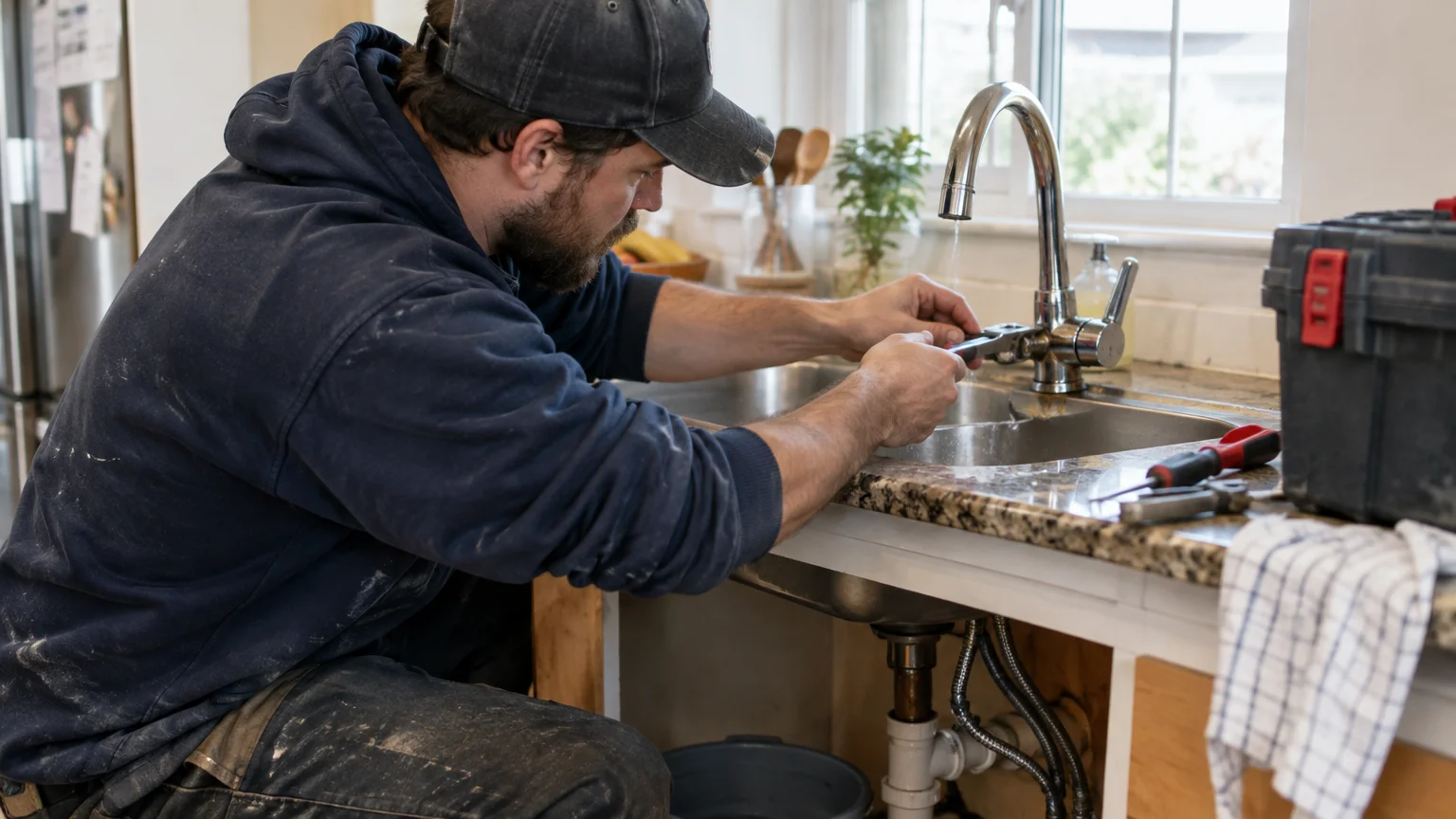
- Should you repair or replace a leaky faucet?
- What causes a faucet to leak?
- When is repairing a leaky faucet the better option?
- When should you replace a leaky faucet?
- How much does it cost to repair or replace a leaky faucet?
- How do you choose a reliable replacement faucet?
- What should you do after fixing or replacing a leaky faucet?
- Frequently Asked Questions
- Conclusion
Should you repair or replace a leaky faucet?
A leaky faucet can often be repaired when its main body is sound. The problem may come from one replaceable part. A new washer, cartridge, O-ring, or seal may stop the leak. Repair often makes sense when the faucet is fairly new and has not caused repeat problems.
Replacement may be better when the faucet has deep rust, cracks, loose parts, or damage around its base. A faucet that keeps leaking after proper repairs may have worn internal surfaces. Another small repair could only delay a larger plumbing problem.
How faucet age and condition affect the decision
Age alone does not decide the answer. A well-made faucet may work for many years when parts remain available. A newer faucet may still need replacement if it has weak parts, heavy rust, or damage from freezing.
Check the whole fixture, not only the drip. The handle should move with ease. The spout should stay firm. Supply connections should stay dry. The base should not move during use. These checks help show whether one part or the whole fixture has failed.
When a small leak signals a larger plumbing problem
Water at the handle, base, or cabinet can have many causes. A leak under a sink may involve a supply line, shutoff valve, drain, or faucet connection. A wall mark, wet cabinet, soft counter, or musty smell needs quick attention.
Shut off the local water supply when it is safe. Dry the area and watch for more water. If water continues, the shutoff valve may not work. Glen Allen Plumbing can help homeowners, landlords, and business owners find the source before damage spreads.
What causes a faucet to leak?
Most faucet leaks come from worn seals or damaged inner parts. A cartridge is a valve part that controls flow and temperature in many single-handle faucets. Washers press against valve seats. O-rings seal moving joints and connections.
A drip from the spout may point to a cartridge, washer, or valve-seat problem. Water around the handle may come from an O-ring or cartridge seal. Water around the base may come from a worn seal, loose connection, or buildup below the fixture.
Common problems with cartridges, washers, O-rings, and seals
Cartridges wear through normal use. Small scratches may let water pass when the handle is closed. Washers can flatten, split, or harden. O-rings can lose their shape and let water move along the handle or spout.
Replacement parts must match the faucet model. Similar parts may have different sizes or shapes. Close the shutoff valves before removing the handle. Keep each screw and part in order. A photo before removal can help during reassembly.
A faucet repaired many times may have worn valve surfaces. New seals may not sit well on damaged metal. This explains why a short repair may not solve a long-running leak.
How mineral buildup, corrosion, and water pressure contribute
Mineral buildup can collect around the aerator, cartridge, and valve openings. An aerator is the small screen at the end of a spout. It mixes air with water and can become blocked by sediment. Cleaning it may improve flow, but it will not fix every leak.
Rust can weaken threaded parts and make repairs hard. High water pressure can also strain valves, seals, and supply connections. If several fixtures leak or make loud sounds, the problem may involve the plumbing system, not one faucet.
When is repairing a leaky faucet the better option?
Repair is often the better choice when the faucet body is solid. It also makes sense when the leak has one clear cause and the needed part is available. A clean, undamaged fixture with a dripping spout may need only a washer or cartridge.
Repair can preserve a fixture that matches a kitchen, bathroom, older home, or business space. It may avoid changes to sink holes, counter openings, supply lines, and backsplashes. Still, inspect the full fixture before choosing a part.
Signs the faucet can be restored with replacement parts
Useful signs include:
- The faucet body has no cracks or heavy rust.
- The leak comes from one clear, easy-to-reach spot.
- The handle and spout remain firm.
- A matching washer, cartridge, or seal is available.
- The supply connections are dry and sound.
A homeowner can safely clean an aerator and wipe buildup from exposed surfaces. They can also tighten a loose handle and check for damp connections. Shut off the water before removing parts. Small parts need care because force can harm the faucet or sink.
What to consider before attempting a DIY faucet repair
DIY work is not a good choice when the shutoff valve will not close. It is also unsafe when the leak is inside a wall or water reaches electrical equipment. Heavy rust or an unknown part can make the job risky. Tenants should follow the lease and tell the property owner before changing a fixture.
Stop work if the leak grows, the faucet breaks during removal, or the supply connection twists. Glen Allen Plumbing offers fixture guidance across the Glen Allen area, including Innsbrook, Wyndham, Short Pump, Laurel, Lakeside, Henrico, and nearby communities. The team can help decide if repair is practical.
When should you replace a leaky faucet?
Replacement is often the better choice when a faucet has structural damage, repeat failures, or severe rust. A cracked body may leak again after new seals are installed. A loose base may let water enter the counter or cabinet.
Replacement may also suit a fixture that no longer works well in the room. A new faucet may offer better handle control, reach, cleaning, and water use. The new model must still fit the sink, counter, supply lines, and available space.
Warning signs of corrosion, structural damage, or repeated failure
The following signs support replacement:
- Rust has damaged threads or valve surfaces.
- The faucet body, spout, or handle is cracked.
- The base rocks or will not seal against the sink.
- The same leak returns after proper repairs.
- Matching replacement parts are no longer available.
- Water has damaged the cabinet, counter, or wall.
A faucet may look fine while hidden rust affects its connections. Inspect beneath the sink with a dry cloth. Any new moisture after turning on the water needs attention.
How fixture style, compatibility, and installation affect replacement
The new faucet must match the sink’s mounting holes and spacing. Common layouts include single-hole, centerset, and widespread designs. A deck plate or new supply connection may be needed when the layouts differ.
Kitchen faucets also need enough height and reach for the sink. Bathroom faucets should fit the basin and drain area. Business fixtures may need strong parts, sensor controls, or features for frequent use. Plumbing Fixture Installation should include access checks, shutoff checks, seal checks, and final testing.
How much does it cost to repair or replace a leaky faucet?
Repair costs depend on the faucet type, parts, access, damage, urgency, and related plumbing work. A simple part change is usually less involved than removing a rusted fixture. Replacement may need new connections, a deck plate, cabinet access, or counter work.
Compare repair and replacement by long-term value, not only by the first task. Repeat repairs take more time and may not fix damage inside the faucet body. A suitable replacement may be more practical when the old fixture has reached the end of its useful service.
In Glen Allen, the final cost is confirmed on a quote after the faucet and nearby plumbing are checked. Ask what work is included and whether the parts match the fixture. Also ask if hidden damage could change the work needed. Glen Allen Plumbing can explain the choices for homes and businesses.
What influences the cost of faucet repair
Important factors include:
- The faucet style and inner design.
- The needed part and its availability.
- Rust around screws, valves, and connections.
- Access below the sink or behind a cabinet.
- Damage to supply lines, shutoff valves, counters, or cabinets.
- Urgent service needs caused by active water loss.
Faucet repair differs from hidden pipe repair or water damage work. If the water source is unclear, leak detection may be needed before choosing repair or replacement. Related work may include drain repair, plumbing repair, pipe repair, or water heater repair when other systems are affected.
How replacement compares with repairing related plumbing issues
A faucet may be only one part of the problem. A failing shutoff valve can make fixture repair unsafe. A damaged supply line may leak after a faucet is replaced. Poor water pressure may affect several fixtures and need wider testing.
The plumber should explain whether the faucet is the source or only where water appears. A clear diagnosis helps prevent an unnecessary replacement. It also helps owners plan related work, such as Kitchen Plumbing or cabinet drying.
How do you choose a reliable replacement faucet?
A reliable replacement should fit the sink, suit the room, and use parts that can be serviced later. Check the mounting layout, spout reach, handle position, connection size, and clear space. Read the product instructions before buying.
The best fixture is not always the most complex. Simple controls may be easier to use and maintain. A business may need a stronger faucet for frequent use. A home may need easy cleaning and a comfortable reach.
Which faucet features matter for kitchens, bathrooms, and commercial properties
Kitchen faucets often need useful swivel range and enough reach across the basin. Pull-down or pull-out sprays can help with rinsing. Their hoses and docking parts still need regular care. Bathroom faucets should match the basin and leave room for hand washing.
Business fixtures may need strong handles, touch-free controls, or easy-clean designs. Think about who uses the fixture and how often it runs. Also consider how easily its parts can be reached. Style matters, but future service matters too.
How to evaluate water efficiency, durability, and installation requirements
Water efficiency means using water wisely while keeping useful flow. Check recognized efficiency labels and the maker’s flow information. The faucet should suit the sink without weak flow or poor control.
Durability depends on materials, seals, finish, and repair support. Keep the model details and installation instructions. A professional can check supply lines, shutoff valves, the mounting surface, and connections before testing the new fixture.
What should you do after fixing or replacing a leaky faucet?
After the work, turn on the water slowly and watch every connection. Run both hot and cold water. Make sure the handle closes fully. The cabinet below the sink should stay dry during use and after the water stops.
A dry cloth can reveal small leaks better than a quick look. Check again later, especially after using the fixture several times. Any drip, movement, noise, or change in flow should be checked.
How to check for leaks and confirm proper operation
Use this simple check:
- Open the shutoff valves slowly.
- Run cold and hot water at normal flow.
- Inspect the spout, handle, base, and supply connections.
- Check the cabinet floor and wall behind the sink.
- Close the faucet and watch for continued dripping.
The faucet should not wobble or spray at the aerator connection. If a threaded joint stays damp, it may need adjustment. Do not force the fitting. Overtightening can damage seals or threads.
Maintenance steps that help prevent future faucet problems
Clean the aerator when flow becomes uneven. Wipe away soap and mineral deposits before they harden. Avoid harsh tools or strong cleaners that may scratch the finish. Check the cabinet and exposed supply lines from time to time.
Do not ignore a dripping faucet. Small leaks can stain surfaces, waste water, and hide a failing part. Property owners can contact Glen Allen Plumbing about faucet repair, replacement, Toilet Repair, and related fixture concerns.
Frequently Asked Questions
Is it better to repair or replace a dripping faucet?
Repair often works when the faucet body is sound and the leak comes from a replaceable part. Replacement is usually better when the fixture is cracked, badly rusted, hard to match with parts, or repeatedly fails. Check the fixture and nearby connections before deciding.
Can a homeowner fix a leaky faucet?
A homeowner can often clean an aerator, tighten a loose handle, or replace a known washer when the shutoff valves work. Turn off the water before taking parts apart. Professional help is safer when valves fail, rust is heavy, water is hidden, or the correct part is uncertain.
Why does a faucet leak after a new cartridge is installed?
The cartridge may be the wrong model, placed the wrong way, or damaged during fitting. Debris may remain inside the valve body. A worn valve surface, loose connection, or damaged seal can cause the same leak. Continued leaking calls for a full check, not repeated part changes.
How can someone find a water leak under a sink?
Dry the cabinet first. Then run the faucet while checking the spout, handle, base, supply lines, shutoff valves, and drain. A dry cloth helps find small drops. If water appears inside a wall, continues after the valves close, or reaches electrical items, shut off the water when safe and seek help.
How long should a replacement faucet last?
Service life varies with fixture quality, water conditions, use, installation, and care. A faucet may last well when its seals remain sound and rust is limited. Regular cleaning and early repair help. Repeat leaks, loose parts, or unavailable components are signs to review the fixture.
Conclusion
The choice to repair or replace a leaky faucet starts with a careful diagnosis. A sound faucet with one worn part may be worth repairing. A cracked, rusty, unstable, or repeatedly failing fixture may be better replaced. Check supply lines, shutoff valves, cabinets, and nearby surfaces too.
Key takeaways
- Repair is often practical when the faucet body is sound.
- Replace fixtures with cracks, severe rust, or repeat failures.
- Check the faucet, supply lines, shutoff valves, and cabinet together.
- DIY checks are suitable only when water can be shut off safely.
- Choose a replacement that fits the sink and supports future service.
Glen Allen Plumbing helps property owners make informed fixture choices and nearby communities. Contact us to arrange help with a leaking faucet or related plumbing problem.